Anacamptodon Moss: A Tiny Native Treasure for Your Shady Garden
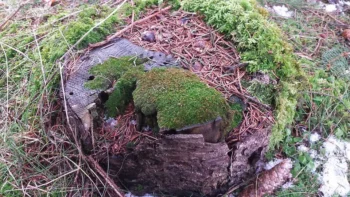
If you’ve ever wandered through a shady woodland and noticed delicate, tiny green cushions growing on fallen logs or tree bark, you might have encountered the charming anacamptodon moss (Anacamptodon splachnoides). This diminutive native moss is one of those quiet garden heroes that works behind the scenes to create authentic, naturalistic landscapes.
What Exactly Is Anacamptodon Moss?
Anacamptodon moss is a small bryophyte – that’s the fancy term for the group that includes mosses, liverworts, and hornworts. Unlike the flowering plants we typically think of when planning our gardens, mosses are ancient, simple plants that reproduce through spores rather than seeds. This particular species is a terrestrial moss, meaning it grows on solid surfaces like rocks, fallen logs, or tree bark rather than directly in soil.
As a native North American species, anacamptodon moss has been quietly doing its job in our ecosystems for countless years. It’s particularly documented in New Jersey, though it likely has a broader eastern North American range.
- Species observed
- No observations
Spotting Anacamptodon Moss in the Wild
Identifying this moss requires a keen eye, as it’s quite small and unassuming. Look for:
- Tiny, loose cushions or mats of green growth
- Preference for shaded, humid locations
- Growth on decaying wood, bark, or occasionally rocks
- Delicate, small leaves that create a soft, velvety appearance
Is Anacamptodon Moss Beneficial for Your Garden?
While this moss won’t provide the showy blooms that attract pollinators, it offers several subtle but valuable benefits:
- Authentic naturalism: Perfect for creating genuine woodland garden aesthetics
- Moisture regulation: Helps maintain humidity in shaded garden areas
- Erosion control: Stabilizes surfaces where it grows
- Low maintenance: Once established, requires virtually no care
- Year-round interest: Provides consistent green color even in winter
Where Anacamptodon Moss Thrives
This moss is perfectly suited for:
- Woodland gardens with consistent shade
- Areas with decaying logs or natural wood features
- Humid, protected spaces in your landscape
- Naturalistic designs that mimic forest floor conditions
- USDA hardiness zones 6-9 (estimated based on natural range)
Encouraging Anacamptodon Moss in Your Space
Rather than planting this moss in the traditional sense, you’re more likely to encourage its natural establishment:
- Maintain shaded, humid conditions
- Leave fallen logs or branches in garden areas where appropriate
- Avoid disturbing areas where moss naturally appears
- Ensure consistent moisture without waterlogging
- Minimize foot traffic in moss-friendly areas
A Word of Caution
If you’re lucky enough to spot anacamptodon moss growing naturally on your property, treat it as the treasure it is. Since specific information about its rarity status isn’t widely documented, it’s best to observe and protect rather than attempt to transplant or harvest it.
The Bottom Line
Anacamptodon moss might not be the star of your garden show, but it’s the kind of supporting character that makes naturalistic landscapes feel authentic and complete. If you’re creating a woodland garden or simply want to support native biodiversity in small but meaningful ways, learning to recognize and appreciate this tiny moss is a wonderful place to start. Sometimes the smallest natives make the biggest difference in creating truly sustainable, beautiful outdoor spaces.