Analogue Sedge: Your Go-To Native Plant for Wet Spots
If you’ve got a soggy spot in your yard that makes you scratch your head every spring, let me introduce you to your new best friend: analogue sedge (Carex simulata). This unassuming native sedge might not win any flashy flower contests, but it’s absolutely perfect for those challenging wet areas where other plants fear to tread.
What Exactly Is Analogue Sedge?
Analogue sedge is a perennial grass-like plant that belongs to the sedge family (Cyperaceae). Don’t let the grass-like description fool you though – sedges are quite different from lawn grasses. This particular sedge forms neat, clumping tufts that spread slowly via underground rhizomes, reaching about 1.5 feet tall at maturity.
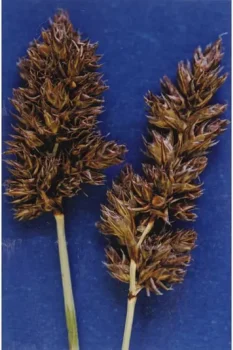
The plant produces fine-textured green foliage that stays relatively low and tidy. In late spring, you’ll notice small, inconspicuous green flowers that eventually develop into brown seed heads. While it won’t stop traffic with showy blooms, its subtle beauty lies in its graceful, fountain-like form and reliable performance.
Where Does Analogue Sedge Call Home?
This hardy sedge is native to both Canada and the lower 48 states, with a range that spans across the western regions of North America. You’ll find it naturally growing in Alberta, British Columbia, Saskatchewan, and throughout the western United States including Arizona, California, Colorado, Idaho, Montana, Nevada, New Mexico, North Dakota, Oregon, Utah, Washington, and Wyoming.
- Species observed
- No observations
Why Your Garden Needs This Wetland Wonder
Here’s where analogue sedge really shines: it’s an obligate wetland plant, which means it almost always occurs in wetlands across all the regions where it grows. This makes it absolutely perfect for:
- Rain gardens that collect runoff
- Pond and stream margins
- Boggy areas that stay consistently moist
- Naturalistic wetland restorations
- Erosion control on wet slopes
While analogue sedge might not attract hordes of butterflies (it’s wind-pollinated, after all), it provides valuable habitat structure for wildlife and serves as nesting material for various birds. Its root system also helps filter water and prevent soil erosion – making it an ecological powerhouse in wet environments.
Perfect Growing Conditions
Analogue sedge is refreshingly straightforward about its needs: it wants water, and lots of it. Here’s what this moisture-loving plant prefers:
- Moisture: High water needs – think consistently moist to wet soil
- Soil: Adapts well to coarse and medium-textured soils; not fond of heavy clay
- pH: Slightly acidic to neutral (6.0-7.5)
- Light: Full sun to partial shade
- Climate: Hardy in USDA zones 3-8, tolerating temperatures as low as -38°F
- Drainage: Can handle seasonal flooding and waterlogged conditions
This sedge has high anaerobic tolerance, meaning it can survive in oxygen-poor, waterlogged soils where many other plants would simply give up and rot away.
Planting and Care Tips
The good news? Once established, analogue sedge is remarkably low-maintenance. Here’s how to get started:
When to Plant: Spring is ideal, giving the plant time to establish before winter. You can propagate from seed, bare root plants, or sprigs.
Spacing: Plant about 1,700-2,700 plants per acre for restoration projects, or space individual plants 12-18 inches apart in home gardens.
Getting Established: Be patient – this sedge has a slow growth rate and low seedling vigor. It may take a full season or two to really take off, but that slow-and-steady approach means it’s building a strong root system.
Maintenance: Minimal! You can cut back old foliage in late winter if desired, but it’s not necessary. The plant doesn’t require fertilization and actually prefers moderate fertility levels.
A Few Things to Keep in Mind
While analogue sedge is wonderful for wet areas, it’s not drought tolerant at all. Don’t expect it to survive in dry garden beds – it simply won’t be happy without consistent moisture. Also, with its slow growth rate, don’t expect instant gratification. This is a set it and forget it kind of plant that rewards patience.
The plant spreads at a moderate rate vegetatively, so it won’t aggressively take over, but it will gradually fill in wet areas over time. Seeds spread slowly and don’t persist long, so natural reseeding is limited.
The Bottom Line
If you’re dealing with a chronically wet area in your landscape, analogue sedge deserves serious consideration. It’s a reliable, low-maintenance native that provides ecological benefits while solving drainage challenges. Sure, it won’t give you showy flowers or rapid growth, but sometimes the best plants are the quiet workhorses that just do their job beautifully, year after year.
For wet, boggy spots where other plants struggle, analogue sedge might just be the perfect solution you’ve been looking for.