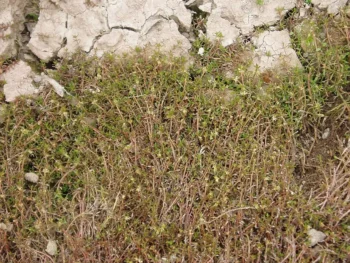
Andean Watermilfoil: A Native Aquatic Beauty for Your Water Garden
If you’re looking to add some underwater elegance to your pond or water garden, let me introduce you to a charming native plant that might just be the perfect fit: Andean watermilfoil (Myriophyllum quitense). This delicate aquatic perennial brings a soft, feathery texture to water features while supporting local ecosystems.
What Makes Andean Watermilfoil Special?
Andean watermilfoil is a native aquatic forb that creates beautiful underwater landscapes with its finely dissected, feathery leaves arranged in neat whorls around slender stems. Think of it as nature’s version of underwater Christmas trees – delicate, graceful, and surprisingly tough. As a perennial, this plant will return year after year, making it a reliable addition to your aquatic garden.
You might also see this plant listed under its synonym, Myriophyllum elatinoides, but don’t let that confuse you – it’s the same lovely species.
Where Does It Call Home?
This aquatic native has quite an impressive range across North America. You’ll find Andean watermilfoil naturally growing in British Columbia, Arizona, California, Prince Edward Island, Idaho, Oregon, Utah, Washington, and Wyoming. Its ability to thrive from sea level to high elevations makes it remarkably adaptable.
- Species observed
- No observations
Why Choose Andean Watermilfoil for Your Garden?
There are several compelling reasons to consider this native beauty:
- Native status means local adaptation: Being native to much of western North America, it’s perfectly suited to local climate conditions
- Excellent oxygenator: Like other watermilfoils, it helps maintain healthy water quality in ponds
- Low maintenance: Once established, it requires minimal care
- Supports local ecosystems: Provides habitat and food for aquatic wildlife
- Attractive texture: Adds visual interest with its delicate, feathery appearance
Perfect Garden Settings
Andean watermilfoil shines brightest in:
- Natural-style ponds and water gardens
- Wetland restoration projects
- Wildlife ponds designed to attract waterfowl
- Aquatic plant collections
- Rain gardens with permanent water features
Growing Conditions: It’s All About the Water
Here’s where Andean watermilfoil gets particular – it’s classified as an Obligate Wetland plant, which means it almost always occurs in wetlands and requires permanent water or extremely saturated soil conditions. This isn’t a plant you can grow in regular garden beds!
Ideal conditions include:
- Water depth: Submerged or in very shallow water
- Light: Full sun to partial shade
- Soil: Muddy pond bottom or aquatic planting medium
- Climate: Hardy in USDA zones 4-9
Planting and Care Tips
Getting started with Andean watermilfoil is straightforward once you understand its needs:
Planting:
- Plant in spring after the last frost
- Use weighted planting containers if you want to control spread
- Plant directly in pond substrate for a more natural look
- Ensure consistent water levels – this plant doesn’t handle dry spells
Ongoing care:
- Minimal fertilization needed in natural pond settings
- May require occasional thinning if it spreads too enthusiastically
- In colder zones, the plant may die back in winter but will regrow from roots in spring
- Monitor water quality – healthy water means healthy plants
Wildlife and Pollinator Benefits
While Andean watermilfoil may not be a major pollinator magnet (its flowers are quite small and mainly wind-pollinated), it provides valuable ecosystem services. The submerged vegetation offers shelter and foraging areas for fish, aquatic invertebrates, and waterfowl. It’s particularly appreciated by ducks and other water birds that feed on aquatic plants.
Is Andean Watermilfoil Right for Your Garden?
This native beauty is perfect for gardeners who:
- Have ponds, water features, or wetland areas
- Want to support native plant communities
- Appreciate subtle, naturalistic beauty over flashy flowers
- Are interested in aquatic gardening and pond ecosystems
However, it’s not the right choice if you don’t have permanent water features or if you’re looking for colorful flowering displays.
The Bottom Line
Andean watermilfoil might not be the showiest plant in the garden world, but for water gardeners and pond enthusiasts, it’s a native treasure worth considering. Its delicate beauty, ecosystem benefits, and low-maintenance nature make it an excellent choice for anyone looking to create authentic, sustainable aquatic habitats. Plus, there’s something deeply satisfying about growing plants that naturally belong in your region – it’s gardening in harmony with nature at its finest.