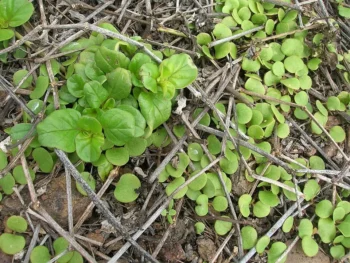
Anena: A Charming Native Hawaiian Ground Cover for Coastal Gardens
If you’re looking for a low-maintenance native plant that thrives in challenging coastal conditions, let me introduce you to anena (Boerhavia repens). This delightful little Hawaiian native might not be the showiest plant in your garden, but it’s definitely one of the hardest working!
What is Anena?
Anena, also known as alena, is a perennial native plant that calls the Pacific Basin home, including the beautiful Hawaiian Islands. This humble ground-hugger belongs to a fascinating family of plants that have adapted perfectly to life in coastal and dry environments. You might also see it listed under various botanical synonyms in older references, but Boerhavia repens is the name that sticks today.
Where Does Anena Grow Naturally?
This Pacific native has made itself at home across Hawaii, Guam, and several U.S. Minor Outlying Islands. It’s perfectly adapted to the warm, tropical conditions of these island paradises, where it grows naturally in coastal areas and dry landscapes.
- Species observed
- No observations
Why You Might Want to Grow Anena
Here’s where anena really shines – it’s the ultimate low-maintenance ground cover for the right climate! This spreading perennial creates a natural carpet that’s perfect for:
- Erosion control on slopes and coastal areas
- Filling in gaps in rock gardens or xeriscapes
- Creating natural-looking ground cover in native plant gardens
- Adding authentic Hawaiian flora to tropical landscapes
The small white to pink flowers may be tiny, but they’re quite charming up close and provide nectar for small native insects and pollinators. Plus, anena has facultative wetland status in Hawaii, meaning it’s adaptable enough to handle both wet and dry conditions – talk about versatile!
The Reality Check: Climate Limitations
Before you get too excited, there’s one important caveat: anena is strictly a tropical plant. It thrives in USDA hardiness zones 10-12, which means unless you live in Hawaii, southern Florida, or similarly warm coastal areas, this plant won’t survive your winters outdoors. For most mainland gardeners, anena would need to be grown as a container plant that comes indoors during cold months.
How to Grow Anena Successfully
The good news? If you live in the right climate, anena is refreshingly easy to grow!
Growing Conditions
- Light: Full sun to partial shade
- Soil: Well-draining sandy or rocky soils (it actually prefers poor soils!)
- Water: Drought tolerant once established – perfect for water-wise gardening
- Climate: Tropical to subtropical only (zones 10-12)
Planting and Care Tips
Anena is wonderfully low-maintenance once you get it established:
- Plant in spring after any chance of cold weather has passed
- Give new plants regular water until established, then back off significantly
- No fertilizer needed – this plant actually prefers lean conditions
- Allow it to spread naturally via its creeping stems
- Minimal pruning required, just remove any dead or damaged growth
Perfect for Authentic Island Gardens
If you’re lucky enough to garden in Hawaii or similar tropical coastal areas, anena is a fantastic choice for creating authentic native landscapes. It works beautifully in coastal gardens where salt spray and sandy soil challenge other plants, and it’s perfect for anyone wanting to support local ecosystems with indigenous plants.
For mainland gardeners dreaming of tropical vibes, consider anena for container growing if you can provide winter protection, or look for native alternatives better suited to your climate zone that offer similar ground-cover benefits.
Whether you’re restoring a Hawaiian landscape or simply want a piece of Pacific paradise in your garden, anena offers a charming, sustainable option that connects you to the natural heritage of these beautiful islands.