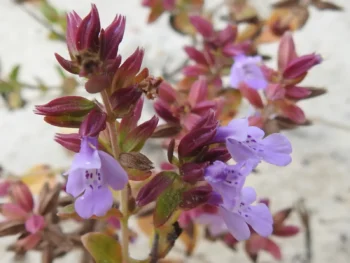
Angled Sandmint: A Mysterious Texas Native That’s Better Left Wild
If you’ve stumbled across the name angled sandmint while researching native Texas plants, you might be wondering if this little-known species deserves a spot in your garden. The short answer? Probably not – and here’s why this rare native is better appreciated from afar than up close in your backyard.
What Exactly Is Angled Sandmint?
Angled sandmint (Rhododon angulatus) is one of those plants that botanists whisper about in hushed, excited tones. This annual forb – that’s garden-speak for a non-woody flowering plant – belongs to the mint family and calls Texas its exclusive home. You won’t find this little guy growing wild anywhere else in the world, making it a true Lone Star endemic.
As an annual, angled sandmint completes its entire life cycle in just one growing season, sprouting from seed, flowering, setting seed, and dying all within a single year. It’s classified as a forb, meaning it lacks the woody stems of shrubs and trees, instead producing soft, herbaceous growth that emerges fresh each spring.
Where Does Angled Sandmint Call Home?
This elusive native has staked its claim exclusively in Texas, though exactly where in the vast expanse of the Lone Star State remains something of a botanical mystery. Its extremely limited distribution makes it one of those plants that even dedicated native plant enthusiasts might never encounter in the wild.
- Species observed
- No observations
The Rarity Factor: Why This Plant Needs Our Protection
Here’s where things get serious. Angled sandmint carries a Global Conservation Status of S1Q, which is conservation-speak for we’re not entirely sure what’s going on with this plant, but it appears to be extremely rare. The S1 part indicates it’s critically imperiled, while the Q suggests some taxonomic uncertainty – botanists might still be working out exactly what this plant is and where it fits in the family tree.
This rarity status is a red flag for gardeners. When a plant is this uncommon in the wild, removing seeds or plants from natural populations – even with good intentions – can harm already vulnerable communities.
Should You Plant Angled Sandmint?
In a word: probably not. While supporting native plants is always admirable, angled sandmint presents some unique challenges:
- Extreme rarity: With its S1Q status, this plant needs every individual left in the wild
- Unknown growing requirements: We simply don’t know enough about what this plant needs to thrive
- Sourcing concerns: Finding responsibly sourced seeds or plants is likely impossible
- Limited garden value: Without known ornamental qualities, it’s hard to justify the conservation risk
Better Alternatives for Your Native Texas Garden
Instead of seeking out this botanical unicorn, consider these more readily available Texas natives that offer similar benefits without the conservation concerns:
- Other native mints: Wild bergamot (Monarda fistulosa) or native pennyroyal species
- Annual wildflowers: Bluebonnets, Indian paintbrush, or cosmos
- Native forbs: Black-eyed Susan, purple coneflower, or native asters
How You Can Help
While you shouldn’t plant angled sandmint, you can still support its conservation:
- Support organizations working to protect rare Texas plants
- Choose other native Texas species for your garden
- Report any suspected sightings to local botanical authorities
- Advocate for habitat protection in Texas
The Bottom Line
Angled sandmint remains one of botany’s intriguing mysteries – a plant so rare and poorly understood that it’s better left to the experts and the wild places where it belongs. While our gardening hearts might yearn to grow every native species, sometimes the most loving thing we can do is admire from a distance and focus our energy on the many other wonderful native plants that can thrive in our gardens without conservation concerns.
Your Texas native garden can be spectacular without this particular species. Stick to well-documented, readily available natives, and you’ll create a beautiful landscape that supports local wildlife while keeping rare species safely in their natural homes.