Anglestem Beaksedge: A Wetland Workhorse for Your Native Garden
If you’re looking to add some authentic wetland character to your garden, let me introduce you to a plant that might not win any beauty contests but absolutely excels at what it does best: anglestem beaksedge (Rhynchospora caduca). This unassuming little sedge is like the reliable friend who always shows up when you need them – not flashy, but incredibly dependable.
What Exactly Is Anglestem Beaksedge?
Anglestem beaksedge is a perennial sedge that belongs to the grass-like family of plants. Don’t let the name fool you – while it might look like grass from a distance, it’s actually a member of the sedge family (Cyperaceae). You might also see it listed under its old scientific name, Rhynchospora patula, but don’t worry – it’s the same plant either way.
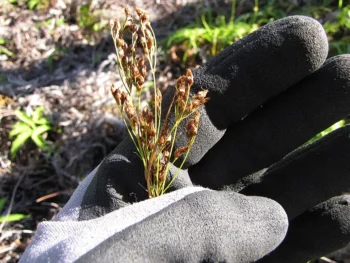
This modest plant produces small, brownish seed heads that aren’t particularly showy, but they serve an important purpose in the ecosystem. The narrow, grass-like leaves form small clumps that blend beautifully into naturalistic plantings.
Where Does It Call Home?
Anglestem beaksedge is native throughout much of the southeastern United States, naturally occurring from Virginia down through Florida and stretching west all the way to Texas. You’ll find it growing wild in Alabama, Arkansas, Florida, Georgia, Louisiana, Mississippi, North Carolina, Oklahoma, South Carolina, Tennessee, Texas, and Virginia.
Interestingly, this plant has also made its way to Hawaii, where it’s considered introduced but has naturalized successfully. However, if you’re gardening in Hawaii, you might want to consider native Hawaiian sedges instead to support your local ecosystem.
- Species observed
- No observations
Why Your Wetland Garden Needs This Plant
Here’s where anglestem beaksedge really shines – it’s what we call an obligate wetland plant in most regions. This means it almost always occurs in wetlands and absolutely loves having wet feet. If you’ve got a soggy spot in your yard that gives you headaches, this could be your solution.
This sedge is perfect for:
- Rain gardens that collect runoff
- Bog gardens or wetland restoration projects
- Areas around ponds or water features
- Native plant gardens focused on wetland species
- Naturalistic landscapes that mimic local ecosystems
Growing Conditions That Make It Happy
If you’re thinking about adding anglestem beaksedge to your garden, here’s what you need to know about keeping it content:
Sunlight: This adaptable plant thrives in full sun but can tolerate some partial shade, making it quite flexible for different garden situations.
Soil and Water: Here’s the non-negotiable part – it needs consistently moist to wet soil. Think bog-like conditions rather than regular garden soil. If your soil dries out regularly, this isn’t the plant for you.
Climate: Anglestem beaksedge is hardy in USDA zones 8-10, so it’s best suited for warmer climates. If you’re gardening in cooler areas, you’ll want to look for other native sedge alternatives.
Planting and Care Tips
The good news about anglestem beaksedge is that it’s refreshingly low-maintenance once you get the growing conditions right:
- Plant in spring after the last frost when soil is workable
- Ensure your planting site stays consistently moist – never let it dry out completely
- Space plants according to your desired coverage, as they’ll spread slowly over time
- Minimal fertilization needed – wetland plants are typically adapted to nutrient-poor conditions
- Little to no pruning required, though you can cut back dead foliage in late winter if desired
Wildlife and Ecosystem Benefits
While anglestem beaksedge might not be a pollinator magnet (it’s wind-pollinated, after all), it provides valuable habitat and resources for wildlife. The seed heads offer food for birds, and the dense growth provides cover and nesting material. Plus, by choosing native wetland plants, you’re supporting the complex web of life that depends on these specialized ecosystems.
Is This Plant Right for You?
Anglestem beaksedge is an excellent choice if you’re working on wetland restoration, have naturally wet areas in your landscape, or want to create authentic native plant communities. However, it’s definitely not a plant for dry gardens or areas with inconsistent moisture.
If you’re in Hawaii, consider exploring native Hawaiian sedges instead to support local biodiversity. And if you’re in cooler climates outside zones 8-10, look for native sedges better adapted to your regional conditions.
Remember, successful native gardening is all about matching the right plant to the right place. If you’ve got the wet conditions this sedge craves, it could be the perfect addition to your native plant palette.