Anil de Pasto: A Colorful Perennial with a Complex Story
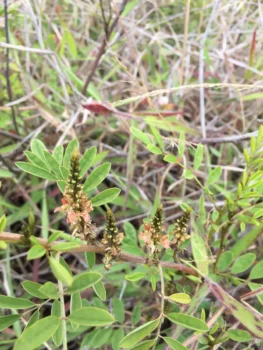
Meet anil de pasto (Indigofera suffruticosa), also known as bush indigo – a fascinating perennial that’s both beloved and misunderstood in the gardening world. This herbaceous plant brings a splash of purple-pink blooms to the landscape, but its story is more complex than your average garden flower.
What Is Anil de Pasto?
Anil de pasto is a perennial forb that lacks significant woody tissue, meaning it’s more herb than shrub despite sometimes being called bush indigo. This plant typically grows 3-6 feet tall and spreads 2-4 feet wide, creating a lovely mounded form covered in delicate, compound leaves and charming pea-like flowers arranged in upright spikes.
Where Does It Call Home?
Here’s where things get interesting – anil de pasto has a complicated native status. It’s actually native to the southeastern United States, Puerto Rico, and the U.S. Virgin Islands. You’ll find it naturally occurring in Florida, Georgia, Louisiana, Mississippi, North Carolina, South Carolina, and Texas. However, it’s also become naturalized (reproducing without human help) in Hawaii and other Pacific Basin locations, as well as Guam and Palau.
- Species observed
- No observations
Should You Plant Anil de Pasto?
The answer depends on where you live! If you’re gardening in its native range – those southeastern states, Puerto Rico, or the U.S. Virgin Islands – this plant can be a wonderful addition to your landscape. It’s particularly suited for:
- Butterfly and pollinator gardens
- Native plant landscapes
- Naturalistic or informal garden designs
- Drought-tolerant xeriscaping projects
The purple to pink flowers are magnets for butterflies, bees, and other beneficial insects, making it a valuable addition to pollinator-friendly gardens. Plus, there’s something quite special about growing a plant that was historically used to create natural indigo dye!
Growing Conditions and Care
Anil de pasto is refreshingly low-maintenance once you understand its preferences:
- Sunlight: Full sun to partial shade
- Soil: Well-draining soils, particularly sandy or loamy types
- Water: Drought tolerant once established, but appreciates regular watering during the first growing season
- Climate: Thrives in USDA hardiness zones 8-11
Planting and Ongoing Care
Plant anil de pasto in spring after the danger of frost has passed. Choose a location with good drainage – this plant doesn’t appreciate wet feet! Water regularly during the first year to help establish a strong root system, then you can back off as it becomes quite drought tolerant.
One thing to keep in mind: anil de pasto can self-seed readily. While this isn’t necessarily problematic in its native range, you’ll want to keep an eye on it and remove spent flowers if you don’t want it spreading throughout your garden.
Wetland Considerations
Depending on your region, anil de pasto has different relationships with moisture. In most areas, it’s classified as Facultative Upland, meaning it usually prefers non-wetland conditions but can tolerate some moisture. In the Eastern Mountains and Piedmont, as well as Hawaii, it’s considered Obligate Upland and almost never occurs in wetlands.
The Bottom Line
Anil de pasto can be a delightful addition to gardens within its native range, offering beautiful flowers, pollinator benefits, and historical significance. However, gardeners outside its native range might want to consider local native alternatives that provide similar benefits without the potential for unwanted spread. As always, the best garden is one that works harmoniously with your local ecosystem!
If you’re drawn to the purple flowers and butterfly-attracting qualities of anil de pasto but live outside its native range, chat with your local native plant society or extension office about indigenous alternatives that might give you that same garden magic while supporting your local wildlife.