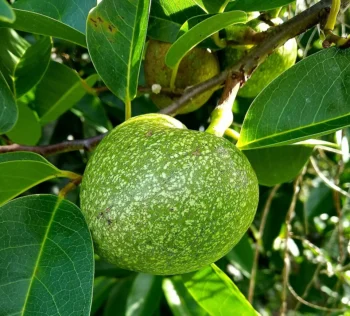
Annona: A Tropical Shrub for Warm Climate Gardens
If you’re dreaming of adding a touch of the tropics to your garden, you might have stumbled across Annona in your plant research. This perennial shrub brings an exotic flair to landscapes, but like many tropical plants, it comes with specific needs and considerations that every gardener should understand before planting.
What is Annona?
Annona is a genus of flowering shrubs known for their distinctive tropical appearance. These perennial, multi-stemmed woody plants typically grow to heights of 13-16 feet, though they can sometimes reach taller heights or develop as single-stemmed specimens depending on environmental conditions. With their characteristic shrub form, they develop several stems arising from or near the ground level.
Where Does Annona Grow Naturally?
The native status of Annona is quite interesting and somewhat complex. In the United States, it’s considered native to the lower 48 states, with its natural range primarily in Florida. However, it’s also found growing in several U.S. territories and associated areas, including Palau, Puerto Rico, U.S. Minor Outlying Islands, and the Virgin Islands. In the Pacific Basin (excluding Hawaii), it’s actually considered a non-native species that has been introduced and now reproduces spontaneously in the wild.
- Species observed
- No observations
Is Annona Right for Your Garden?
Whether Annona is a good choice for your landscape depends largely on your location and garden goals. Here are some key considerations:
Climate Requirements
Annona thrives in warm, tropical to subtropical climates. If you’re gardening in cooler regions, this shrub likely won’t survive your winters outdoors. It’s best suited for USDA hardiness zones where temperatures rarely drop below freezing.
Garden Style and Use
This shrub works well as:
- A specimen plant in tropical-themed gardens
- Part of a mixed shrub border in warm climates
- An exotic accent in subtropical landscapes
Growing Annona Successfully
While specific growing requirements can vary, here are some general guidelines for cultivating Annona:
Location and Soil
Choose a spot that provides the warm, humid conditions this tropical shrub craves. Good drainage is typically important for most shrubs, though specific soil preferences for Annona aren’t well-documented in available resources.
Care and Maintenance
As with most tropical shrubs, consistent moisture and protection from cold temperatures will be key to success. Regular watering during dry periods and mulching around the base can help maintain the humid conditions Annona prefers.
Things to Consider
Before adding Annona to your garden, keep in mind that detailed information about this plant’s invasive potential, wildlife benefits, and specific cultivation requirements isn’t readily available. This makes it challenging to provide comprehensive growing advice or assess its ecological impact.
If you’re interested in supporting local ecosystems while achieving a tropical look, consider researching native alternatives in your area that might provide similar aesthetic appeal while offering known benefits to local wildlife and pollinators.
The Bottom Line
Annona can be an interesting addition to warm-climate gardens for those seeking tropical flair. However, the limited availability of detailed growing information means you’ll want to do additional research or consult with local nurseries familiar with this genus before making it a centerpiece of your landscape design. As with any plant selection, consider your local climate, garden conditions, and long-term maintenance commitment before planting.