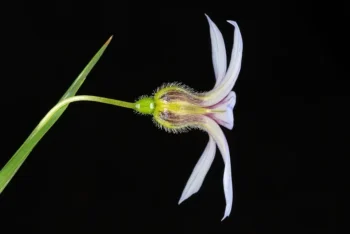
Annual Blue-Eyed Grass: A Delicate Native Charmer for Southern Gardens
If you’re looking for a petite native plant that packs a punch of blue beauty, annual blue-eyed grass (Sisyrinchium rosulatum) might just be the perfect addition to your garden. Don’t let the name fool you—this isn’t actually a grass at all! It’s a charming member of the iris family that brings delicate wildflower appeal to naturalized landscapes across the southeastern United States.
What is Annual Blue-Eyed Grass?
Annual blue-eyed grass is a small forb—essentially a non-woody flowering plant—that typically grows 6-12 inches tall. Despite its grass-like appearance with thin, blade-shaped leaves, it produces lovely small blue flowers with bright yellow centers that seem to wink at you from the garden. The plant can behave as either an annual or short-lived perennial, depending on growing conditions and climate.
Native Range and Distribution
This delightful wildflower is native to the southeastern United States and Puerto Rico. You’ll find it naturally occurring across a impressive range of states including Alabama, Arkansas, Florida, Georgia, Louisiana, Mississippi, North Carolina, South Carolina, Texas, and Virginia. Interestingly, it has also established itself in Hawaii, though it’s considered non-native there.
- Species observed
- No observations
Why Consider Annual Blue-Eyed Grass for Your Garden?
There are several compelling reasons to welcome this native beauty into your landscape:
- Native plant benefits: Supporting local ecosystems by choosing plants native to your region
- Pollinator magnet: The small blue flowers attract bees, butterflies, and other beneficial pollinators
- Low maintenance: Once established, it’s quite drought tolerant and self-sufficient
- Natural charm: Perfect for wildflower gardens, naturalized areas, and cottage-style landscapes
- Self-seeding: Will often reseed itself, creating natural drifts over time
Growing Conditions and Care
Annual blue-eyed grass is refreshingly easy to please when it comes to growing conditions:
- Sunlight: Thrives in full sun to partial shade
- Soil: Adaptable to various soil types, including sandy and clay soils, as long as drainage is adequate
- Water needs: Drought tolerant once established, though it can handle some moisture
- Hardiness zones: Best suited for USDA zones 8-11
- Wetland tolerance: Flexible—can grow in both wetland and upland conditions
Planting and Propagation Tips
Getting started with annual blue-eyed grass is straightforward:
- Direct seed in fall or early spring when temperatures are cool
- Scatter seeds over prepared soil and lightly rake in
- Seeds need light to germinate, so don’t bury them deeply
- Keep soil consistently moist until germination occurs
- Once established, the plant will often self-seed for future seasons
Landscape Design Ideas
Annual blue-eyed grass works beautifully in several garden styles:
- Wildflower meadows: Mix with other native wildflowers for a naturalized look
- Border plantings: Use as edging along paths or garden beds
- Rock gardens: Tuck into crevices and small spaces
- Native plant gardens: Combine with other southeastern natives
- Container gardens: Works well in pots and planters
A Few Considerations
While annual blue-eyed grass is generally wonderful, keep these points in mind:
- In cooler climates outside its native range, it may truly behave as an annual
- The flowers are small and delicate—not suitable for bold, dramatic displays
- It can self-seed prolifically, which some gardeners love and others may find too enthusiastic
- If you’re in Hawaii, consider choosing native alternatives instead
The Bottom Line
Annual blue-eyed grass is a delightful choice for gardeners in the southeastern United States who want to support native plants and pollinators. Its charming blue flowers, easy-care nature, and ability to naturalize make it perfect for low-maintenance wildflower gardens and naturalized landscapes. While it may be small in stature, it’s big on native plant appeal and ecological benefits. Just remember to source your plants or seeds responsibly, and enjoy watching this little beauty settle into your garden!