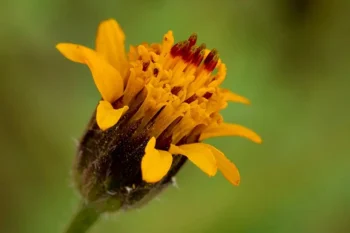
Annual Bushsunflower: A Lesser-Known Native Wildflower Worth Discovering
If you’re on the hunt for native plants that fly under the radar, annual bushsunflower (Simsia lagasceiformis) might just be the hidden gem you’ve been looking for. This unassuming member of the sunflower family brings native charm to gardens across several states, though you won’t find it in every nursery catalog—yet.
What Exactly Is Annual Bushsunflower?
Annual bushsunflower is a native herbaceous plant that belongs to the vast and beloved sunflower family (Asteraceae). True to its forb classification, this plant lacks the woody stems of shrubs and trees, instead producing soft, green growth that dies back seasonally. Despite its common name suggesting it’s strictly annual, this adaptable plant can actually behave as either an annual or perennial, depending on growing conditions.
You might also encounter this plant listed under its botanical synonyms, including Simsia exaristata, though Simsia lagasceiformis is the accepted name today.
Where Does It Call Home?
This native beauty has carved out quite the diverse range across the United States. You’ll find annual bushsunflower growing naturally in:
- Arizona
- Maryland
- New Mexico
- Texas
It’s fascinating how this plant bridges both southwestern and eastern regions—a testament to its adaptability and resilience.
- Species observed
- No observations
Why Consider Annual Bushsunflower for Your Garden?
While annual bushsunflower might not have the star power of its more famous sunflower cousins, it offers several compelling reasons to include it in your native plant palette:
- True native credentials: Supporting local ecosystems with plants that belong
- Adaptable nature: The annual/perennial flexibility means it can adjust to your garden’s conditions
- Sunflower family benefits: Likely provides nectar and pollen for native pollinators
- Low-maintenance potential: Native plants typically require less fussing once established
The Challenge: Limited Growing Information
Here’s where things get interesting (and slightly frustrating for us plant lovers): annual bushsunflower is one of those native species that hasn’t received much horticultural attention. This means specific growing guides, care instructions, and propagation methods aren’t well-documented in mainstream gardening resources.
Best Guesses for Growing Success
While we’d love to give you a detailed growing guide, the limited information available means we’re working with educated assumptions based on its native habitats and plant family characteristics:
- Garden type: Likely best suited for wildflower gardens, native plant landscapes, or naturalized areas
- Growing conditions: Probably prefers well-draining soils and full to partial sun, typical of many Asteraceae family members
- Hardiness: Should be hardy in zones where it naturally occurs (specific zones not well-documented)
- Water needs: Likely drought-tolerant once established, as befits many native plants from its range
The Sourcing Challenge
Finding annual bushsunflower for your garden might require some detective work. It’s not commonly available in mainstream nurseries, so you’ll likely need to:
- Contact native plant societies in states where it naturally occurs
- Reach out to specialized native plant nurseries
- Check with botanical gardens that focus on regional flora
- Connect with native plant seed exchanges or societies
A Plant for the Curious Gardener
Annual bushsunflower represents an intriguing opportunity for adventurous native plant gardeners. While we can’t promise detailed growing guides or easy availability, we can say that choosing lesser-known natives like this one helps support biodiversity and may contribute to conservation efforts.
If you do manage to grow annual bushsunflower, consider yourself a pioneer in understanding this understudied species—and don’t forget to document your experiences for future native plant enthusiasts!
Sometimes the most rewarding gardening adventures come from the plants that require a bit more mystery and discovery. Annual bushsunflower might just be one of those special finds.