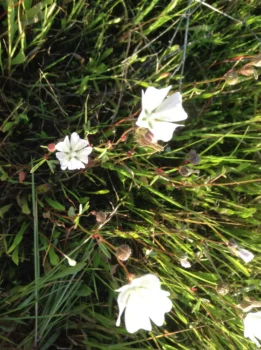
Annual Checkerbloom: A Wetland Gem for California Gardens
If you’re looking to add authentic California native charm to your wetland garden, annual checkerbloom (Sidalcea calycosa) might just be the perfect addition. This delightful forb brings natural beauty to soggy spots where many other plants simply won’t thrive.
What Makes Annual Checkerbloom Special
Annual checkerbloom is a true California native, belonging to the mallow family and classified as a forb – essentially a flowering plant that stays soft and herbaceous rather than developing woody stems. Don’t let the name fool you though; this plant can actually behave as either an annual or perennial depending on conditions, giving it some flexibility in how it fits into your garden’s rhythm.
Where You’ll Find It Growing Wild
This charming native calls California home, where it has adapted perfectly to the state’s unique climate and growing conditions. You won’t find it naturally occurring anywhere else in the United States, making it a truly special piece of California’s botanical heritage.
- Species observed
- No observations
Perfect for Wet Spots
Here’s where annual checkerbloom really shines – it’s classified as an obligate wetland plant in both the Arid West and Western Mountains, Valleys, and Coast regions. This means it almost always occurs in wetlands and has evolved to love what many gardeners consider problematic: consistently moist or wet soil conditions.
If you have that persistently soggy area in your yard where other plants struggle or rot, annual checkerbloom could be your solution. It’s naturally adapted to handle the challenges that come with wetland environments.
Garden Design Ideas
Annual checkerbloom works beautifully in:
- Rain gardens and bioswales
- Pond or water feature margins
- Low-lying areas that stay moist
- Native plant gardens focused on California species
- Restoration projects for wetland habitats
Growing Annual Checkerbloom Successfully
Since this plant is obligated to wetland conditions, your success will largely depend on providing consistent moisture. Here are some key considerations:
Soil: Annual checkerbloom thrives in consistently moist to wet soils. Don’t worry about drainage – this plant actually prefers what most gardeners would consider too wet.
Water: Keep the soil consistently moist throughout the growing season. This isn’t a plant for xeriscaping or drought-tolerant gardens.
Location: Choose the dampest spot in your garden. Areas near downspouts, in seasonal drainage areas, or around water features are ideal.
Why Choose This Native Beauty
Choosing annual checkerbloom means you’re supporting California’s native ecosystem while solving a common garden challenge. Wet areas can be tricky to landscape successfully, but this native has spent thousands of years perfecting life in exactly those conditions.
As a native plant, it’s naturally adapted to California’s climate patterns and will require less intervention once established than non-native alternatives. Plus, you’ll be preserving a piece of California’s natural heritage right in your own backyard.
A Word of Caution
Because specific growing information for Sidalcea calycosa is limited in gardening resources, you may want to connect with native plant societies or botanical gardens in California for more detailed cultivation advice. Sometimes the most special natives are also the most challenging to find comprehensive growing information for!
If you’re lucky enough to have consistently wet conditions in your California garden, annual checkerbloom could be the perfect native solution for turning a challenging spot into a beautiful, ecologically valuable feature.