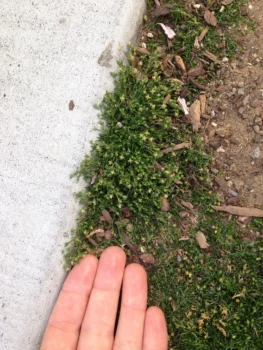
Annual Pearlwort: A Tiny Ground Cover with Big Personality
Meet annual pearlwort (Sagina apetala), a diminutive plant that proves good things really do come in small packages. This unassuming little ground hugger might not win any beauty contests, but it has carved out quite a niche for itself in gardens across North America. Whether you’re dealing with tricky spots that other plants refuse to colonize or you’re fascinated by plants that pack a lot of character into a tiny frame, annual pearlwort deserves a closer look.
What Exactly Is Annual Pearlwort?
Annual pearlwort is a small, herbaceous annual that belongs to the carnation family. Don’t let the family connection fool you into expecting showy blooms – this little guy is all about subtle charm. It forms low, cushion-like mats with tiny, needle-like leaves and produces minuscule white flowers that you might need a magnifying glass to fully appreciate. As a forb, it lacks any significant woody growth and completes its entire life cycle in a single growing season.
Where Does It Come From?
Here’s where things get interesting from a native plant perspective. Annual pearlwort is actually native to parts of Canada, but it’s considered a non-native, introduced species throughout most of the lower 48 states. Originally from Europe and western Asia, this little wanderer has made itself at home across several North American regions.
You can currently find annual pearlwort growing in British Columbia, California, Colorado, Illinois, Louisiana, Maryland, New Jersey, Oregon, and Washington. It has successfully established itself in these areas and reproduces on its own without human intervention.
- Species observed
- No observations
Should You Grow Annual Pearlwort?
This is where gardeners need to weigh their options carefully. Annual pearlwort isn’t considered invasive or noxious, which means it’s not actively harmful to ecosystems. However, since it’s non-native to most areas where it’s found, it’s worth considering whether there might be native alternatives that could provide similar benefits while supporting local wildlife.
That said, annual pearlwort does have some appealing qualities:
- Extremely low maintenance once established
- Thrives in challenging spots other plants might reject
- Forms attractive, moss-like carpets
- Self-seeds readily for natural spreading
- Tolerates both wet and dry conditions
Growing Conditions and Care
One of annual pearlwort’s most endearing qualities is its flexibility. This plant has a facultative wetland status across all regions, meaning it’s perfectly happy in both moist and relatively dry conditions. It’s like the Swiss Army knife of ground covers – adaptable and ready for whatever you throw at it.
Annual pearlwort performs best in:
- USDA Hardiness Zones: 3-8
- Soil: Moist, well-draining soil (though it tolerates various conditions)
- Light: Partial shade to full sun
- Climate: Cool, temperate conditions
Perfect Spots for Annual Pearlwort
This little ground cover shines in specific garden situations:
- Rock gardens: Its tiny stature and cushion-forming habit make it perfect for tucking between stones
- Alpine gardens: Mimics the natural mountain plants it often grows alongside
- Gap filler: Excellent for filling spaces between stepping stones or in flagstone patios
- Difficult spots: Areas where larger plants struggle due to foot traffic or challenging growing conditions
Wildlife and Pollinator Value
While annual pearlwort does produce small flowers that can attract tiny insects, it’s not a significant pollinator plant. The flowers are quite small and inconspicuous, so don’t expect it to be a pollinator magnet. However, its dense, mat-forming growth can provide some ground-level habitat for small insects and other tiny creatures.
Planting and Maintenance Tips
The beauty of annual pearlwort lies in its simplicity. Once established, it requires minimal care and often takes care of spreading itself through self-seeding. Here are a few tips for success:
- Start from seed in early spring or fall
- Scatter seeds on prepared soil surface – they need light to germinate
- Keep soil consistently moist during germination
- Be prepared to manage its spread, as it can self-seed enthusiastically
- No fertilization needed – it’s quite content in poor soils
Consider Native Alternatives
If you love the idea of a low-growing, mat-forming ground cover but want to support native ecosystems, consider researching native alternatives in your region. Many areas have native sedges, mosses, or other low-growing plants that can provide similar aesthetic appeal while supporting local wildlife and maintaining ecological integrity.
The Bottom Line
Annual pearlwort is a perfectly respectable little plant that can solve specific garden challenges, especially in rock gardens or areas where you need a tough, low-growing ground cover. While it’s not native to most areas where it’s grown, it’s also not considered problematic. Whether you choose to grow it depends on your gardening philosophy and specific needs. Just remember that every plant choice is an opportunity to either support or overlook native ecosystems – choose mindfully!