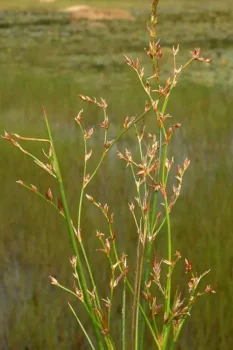
Annual Rush: A Native Wetland Wonder for Southeastern Gardens
If you’re looking to create a native wetland garden or tackle that persistently soggy spot in your yard, meet annual rush (Juncus abortivus) – a humble but hardworking native plant that thrives where others fear to tread. Don’t let the name fool you; despite being called annual rush, this little beauty is actually a perennial that comes back year after year to grace your wettest garden spots.
What Makes Annual Rush Special?
Annual rush is a true native of the southeastern United States, naturally occurring in Alabama, Florida, Georgia, North Carolina, South Carolina, and Virginia. As a member of the rush family (Juncaceae), it’s technically a grass-like plant that brings texture and ecological value to landscapes, even if it won’t win any beauty contests.
- Species observed
- No observations
This unassuming plant has earned its place in the wetland world with an Obligate Wetland status in both the Atlantic and Gulf Coastal Plain and Eastern Mountains and Piedmont regions. Translation? It almost always grows in wetlands and absolutely loves having wet feet.
Why Plant Annual Rush in Your Garden?
While annual rush might not be the showiest plant in your garden, it serves some pretty important purposes:
- Perfect for wetland restoration and rain garden projects
- Helps prevent soil erosion in wet areas
- Provides habitat structure for small wildlife
- Requires virtually no maintenance once established
- Supports native ecosystem health
Think of annual rush as the reliable friend who’s always there when you need them – not flashy, but dependable and valuable in their own quiet way.
Where Does Annual Rush Fit in Your Landscape?
Annual rush is tailor-made for specialized garden situations:
- Rain gardens: Excellent for managing stormwater runoff
- Bog gardens: Thrives in consistently wet conditions
- Naturalistic wetland plantings: Adds authentic native character
- Pond margins: Perfect transition plant between water and dry land
Growing Conditions and Care
The good news about annual rush is that if you can provide what it needs, it’s pretty much maintenance-free. Here’s what makes it happy:
- Sunlight: Full sun to partial shade
- Soil: Consistently moist to wet soils (the soggier, the better!)
- Hardiness: USDA zones 8-10
- Water: Loves standing water or constantly saturated soil
Planting and Care Tips
Getting annual rush established is straightforward if you remember its one non-negotiable requirement: moisture, moisture, moisture!
- Plant in spring when soil temperatures warm up
- Choose the wettest spot in your garden
- No need for fertilizer – it’s adapted to nutrient-poor wetland soils
- Allow it to self-seed for natural spread
- Virtually pest and disease-free
Once established, annual rush is incredibly low-maintenance. It will happily spread and fill in wet areas naturally, creating a living carpet that helps filter water and prevent erosion.
The Bottom Line
Annual rush might not be the star of your garden show, but it’s definitely the dependable supporting actor that makes everything else look good. If you have consistently wet areas that challenge other plants, or if you’re passionate about supporting native ecosystems, annual rush deserves a spot in your landscape. It’s particularly valuable for gardeners in the Southeast who want to work with nature rather than against it.
Just remember: this plant is all about the wet life. If you can’t commit to keeping it consistently moist, you might want to look for a different native option. But if you’ve got the water, annual rush will reward you with years of quiet, reliable performance in your wetland garden.