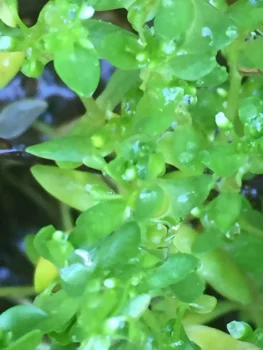
Annual Water Minerslettuce: A Tiny Native Gem for Wet Gardens
If you’re looking for a native plant that thrives where others fear to tread—namely, in soggy, waterlogged soil—then annual water minerslettuce (Montia fontana) might just be your new best friend. This diminutive native wildflower specializes in wet conditions that would spell doom for most garden plants, making it a unique addition to specialized garden spaces.
What is Annual Water Minerslettuce?
Annual water minerslettuce is a small, delicate annual forb that belongs to the purslane family. Don’t let its modest size fool you—this little plant is incredibly hardy and adaptable to cold, wet conditions. As its name suggests, it completes its entire life cycle in one growing season, producing tiny white flowers and succulent-like leaves that form low-growing mats.
This native species goes by the botanical name Montia fontana and has quite a few scientific synonyms, reflecting its wide distribution and the various ways botanists have classified it over the years.
Where Does It Naturally Grow?
Annual water minerslettuce boasts an impressive native range across North America. You’ll find this hardy little plant naturally growing from Alaska down through Canada and into many northern and western U.S. states, including California, Idaho, Maine, Nevada, Oregon, Virginia, and Washington. Its distribution extends into the Canadian provinces of British Columbia, Manitoba, New Brunswick, Nova Scotia, Ontario, Prince Edward Island, Quebec, and the northern territories.
- Species observed
- No observations
Why Grow Annual Water Minerslettuce?
Here’s where this plant gets interesting—and where you need to be honest about your garden’s conditions. Annual water minerslettuce is classified as an obligate wetland plant in most regions, meaning it almost always occurs in wetlands. This isn’t a plant for your average garden bed; it’s specifically suited for consistently wet conditions.
Perfect for specialized gardens:
- Rain gardens and bioswales
- Bog gardens
- Pond edges and water features
- Naturalistic wet meadows
- Areas with poor drainage that stay consistently moist
What Does It Look Like?
Let’s be honest—annual water minerslettuce won’t win any showiest flower contests. This is a plant you grow for its ecological value rather than its ornamental drama. It forms low, spreading mats of small, fleshy leaves topped with tiny white flowers. The overall effect is delicate and subtle, perfect for naturalistic plantings where you want ground cover that looks like it belongs.
Growing Conditions and Care
If you’re thinking about growing annual water minerslettuce, here’s what you need to know:
Essential requirements:
- Moisture: Consistently wet to moist soil—this plant cannot tolerate drought
- Light: Partial shade to full sun
- Temperature: Prefers cool conditions; thrives in USDA zones 2-7
- Soil: Adapts to various soil types as long as they stay wet
Planting and care tips:
- Plant seeds in early spring in consistently moist soil
- No fertilization needed—this plant thrives in nutrient-poor conditions
- Allow to self-seed for natural colonies
- May go dormant during hot summer weather
- Requires minimal maintenance once established in appropriate conditions
Wildlife and Pollinator Benefits
While annual water minerslettuce may not be a pollinator magnet, its small flowers do attract tiny pollinators like gnats and small flies. More importantly, it provides ground cover and habitat in wetland environments where few other plants can survive, contributing to the overall ecosystem health of wet areas.
Should You Plant It?
Annual water minerslettuce is definitely a right plant, right place situation. If you have consistently wet areas in your landscape—whether from poor drainage, a rain garden, or water features—this native plant can be a valuable addition. It’s particularly useful for gardeners interested in creating authentic wetland habitats or supporting native plant communities.
However, if your garden has typical drainage and moisture levels, this isn’t the plant for you. Don’t try to force it into standard garden conditions—it simply won’t thrive.
For specialized wet gardens, annual water minerslettuce offers a way to support native plant communities while providing ground cover in challenging conditions. It’s a humble but important player in the native plant world, perfectly adapted to fill a specific ecological niche in your landscape.