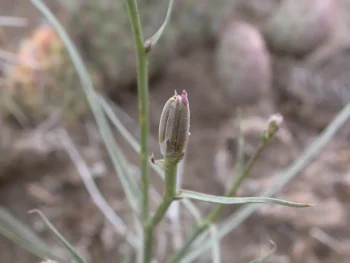
Antelope Island Skeletonplant: A Hidden Gem for Western Native Gardens
If you’re looking to add a touch of wild western charm to your garden, the Antelope Island skeletonplant might just be the perfect addition. This delicate-looking yet tough perennial brings a unique beauty to drought-tolerant landscapes while supporting local wildlife.
What is Antelope Island Skeletonplant?
Antelope Island skeletonplant (Lygodesmia dianthopsis) is a native perennial forb that belongs to the sunflower family. Don’t let the word forb intimidate you – it simply means this is a flowering plant that doesn’t develop woody stems like shrubs or trees. Instead, it’s an herbaceous plant that dies back to the ground each winter and returns fresh each spring.
This charming wildflower is a true westerner, native to the lower 48 states and specifically adapted to life in some of our most challenging climates. You might also encounter it listed under its botanical synonym, Lygodesmia grandiflora var. dianthopsis, in older gardening references.
Where Does It Naturally Grow?
The Antelope Island skeletonplant calls the Great Basin region home, naturally occurring in Idaho, Nevada, and Utah. This limited range makes it a special addition to gardens in these areas, as you’ll be growing a plant that truly belongs in your local ecosystem.
- Species observed
- No observations
Why Consider Growing Antelope Island Skeletonplant?
There are several compelling reasons to include this native beauty in your landscape:
- It’s perfectly adapted to western growing conditions
- Requires minimal water once established
- Attracts beneficial pollinators with its composite flowers
- Adds delicate texture and color to native plant gardens
- Supports local ecosystem health
Important Conservation Considerations
Before you rush out to find this plant, there’s something important to know: Antelope Island skeletonplant has a Global Conservation Status of S3S4, indicating it may be somewhat rare or declining in parts of its range. This doesn’t mean you shouldn’t grow it – quite the opposite! Growing native plants helps preserve genetic diversity and supports conservation efforts.
However, it does mean you should be extra careful about sourcing. Always purchase from reputable native plant nurseries that propagate their own stock rather than collecting from wild populations.
Garden Design and Landscape Use
This plant shines in several garden settings:
- Native wildflower gardens: Perfect for recreating natural Great Basin plant communities
- Xeriscaping: Its drought tolerance makes it ideal for water-wise landscapes
- Rock gardens: The delicate foliage provides nice contrast against stone
- Naturalized areas: Great for less formal garden spaces
Growing Conditions and Care
Like many western natives, Antelope Island skeletonplant thrives in conditions that might challenge other garden plants:
- Sunlight: Full sun is essential
- Soil: Well-draining soils are a must – this plant won’t tolerate soggy conditions
- Water: Drought tolerant once established, requiring minimal supplemental irrigation
- USDA Hardiness Zones: Suitable for zones 4-8
Planting and Care Tips
Getting started with Antelope Island skeletonplant is relatively straightforward:
- Plant in spring after the last frost
- Ensure excellent drainage – consider raised beds or slopes if your soil tends to hold water
- Water regularly the first growing season to help establishment
- Once established, this is a wonderfully low-maintenance plant
- No fertilization needed – western natives often prefer lean soils
Wildlife and Pollinator Benefits
The composite flowers of Antelope Island skeletonplant are pollinator magnets, attracting native bees, butterflies, and other beneficial insects. By growing this native species, you’re providing food sources that local wildlife evolved alongside, making your garden a valuable habitat stepping stone.
Is This Plant Right for Your Garden?
Antelope Island skeletonplant is an excellent choice if you:
- Live within its native range (Idaho, Nevada, or Utah)
- Want to create a water-wise landscape
- Enjoy supporting native wildlife and pollinators
- Appreciate delicate, naturalistic garden aesthetics
- Can source plants responsibly
However, you might want to consider alternatives if you prefer high-water, formal garden styles or live outside its natural climate zone.
The Bottom Line
Antelope Island skeletonplant offers western gardeners a chance to grow a beautiful, ecologically valuable native that’s perfectly adapted to challenging growing conditions. With its delicate flowers, drought tolerance, and wildlife benefits, it’s a worthy addition to any native plant collection. Just remember to source it responsibly to help protect wild populations of this special Great Basin native.