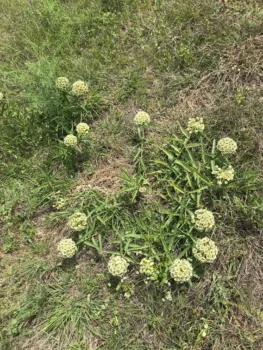
Antelopehorns: A Southwestern Native Milkweed for Your Garden
If you’re looking to add some authentic southwestern flair to your garden while supporting local wildlife, antelopehorns (Asclepias asperula capricornu) might just be the native plant you’ve been searching for. This perennial milkweed brings a unique presence to landscapes across the American Southwest and southern Great Plains.
What is Antelopehorns?
Antelopehorns is a native perennial milkweed that calls the lower 48 states home. Like other members of the Asclepias family, this plant has earned its place in the native plant hall of fame for good reason. The botanical world knows this plant by several names, including various historical synonyms such as Asclepias capricornu and Asclepiodora decumbens, which reflects its somewhat complex taxonomic history.
Where Does Antelopehorns Grow Naturally?
This southwestern beauty has made itself at home across a impressive range that includes Arizona, Kansas, Nebraska, New Mexico, Oklahoma, and Texas. It’s perfectly adapted to the challenging conditions of these regions, from the high desert to the prairie edges.
- Species observed
- No observations
Why Consider Antelopehorns for Your Garden?
As a native species, antelopehorns offers several compelling reasons to earn a spot in your landscape:
- Native authenticity: It belongs in your local ecosystem
- Low maintenance: Adapted to local climate conditions
- Perennial reliability: Comes back year after year
- Regional character: Adds authentic southwestern charm
Growing Antelopehorns Successfully
While specific growing information for this particular variety is limited in available sources, milkweeds generally prefer well-draining soils and full sun conditions. As a native of the southwestern and south-central states, antelopehorns likely thrives in:
- Full sun locations
- Well-draining soils
- Low to moderate water conditions once established
- Areas that experience the natural climate patterns of its native range
A Word of Caution
Before adding antelopehorns to your garden, it’s worth noting that detailed information about this specific botanical name is quite limited in current horticultural and botanical sources. This could indicate that the plant is either very specialized, has undergone recent taxonomic changes, or may be referenced by different names in the trade.
If you’re interested in adding this plant to your garden, we recommend consulting with local native plant societies, botanical gardens, or university extension offices in the states where it naturally occurs. They can provide the most current and region-specific information about availability and growing requirements.
Supporting Your Local Ecosystem
By choosing native plants like antelopehorns, you’re not just adding beauty to your landscape—you’re supporting the complex web of relationships that make healthy ecosystems function. Native plants have co-evolved with local wildlife, providing food and habitat that introduced species simply can’t match.
Whether antelopehorns becomes part of your garden or leads you to discover other native milkweeds in your area, exploring native options is always a step in the right direction for both your garden and your local environment.