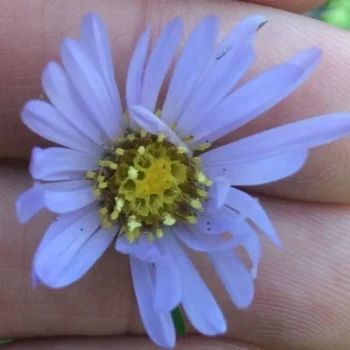
Anticosti Island Aster: A Rare Native Gem for Northern Gardens
If you’re looking to add a touch of northeastern wilderness to your garden, the Anticosti Island aster (Symphyotrichum anticostense) might just be the hidden treasure you’ve been seeking. This charming perennial forb brings late-season blooms and authentic regional character to native plant gardens—but there’s an important catch we need to discuss first.
What Makes This Aster Special
The Anticosti Island aster is a true northeastern native, calling the Maritime provinces of Canada and northern Maine home. As a perennial forb, it’s an herbaceous plant that dies back to the ground each winter and returns faithfully each spring. You might also see it listed under its former scientific name, Aster anticostensis, but botanists have reclassified it into the Symphyotrichum genus along with many other North American asters.
Where You’ll Find It Growing Wild
This aster has a fairly limited natural range, growing in New Brunswick, Quebec, and Maine. It’s perfectly adapted to the cool, often challenging growing conditions of the far north, making it a tough little survivor in the right climate.
- Species observed
- No observations
A Word of Caution: Rarity Matters
Here’s where things get important: the Anticosti Island aster carries a Global Conservation Status of S3, meaning it’s considered vulnerable throughout its range. With only an estimated 21 to 100 occurrences and between 3,000 to 10,000 individuals in the wild, this isn’t your run-of-the-mill garden center find.
If you’re interested in growing this species, responsible sourcing is absolutely critical. Never collect plants or seeds from wild populations, and only purchase from reputable native plant nurseries that can verify their plants are nursery-propagated, not wild-collected.
Garden Appeal and Growing Conditions
The Anticosti Island aster produces small white to pale purple daisy-like flowers with cheerful yellow centers, typically blooming from late summer into fall when many other plants are winding down for the season. This makes it a valuable late-season nectar source for native bees, butterflies, and other pollinators preparing for winter.
Based on its native habitat, this aster likely thrives in:
- USDA hardiness zones 3-6
- Well-drained soils
- Partial shade to full sun conditions
- Cool, moist climates similar to its northeastern origins
Perfect for the Right Garden
The Anticosti Island aster shines in naturalized landscapes, native plant gardens, and restoration projects where supporting regional biodiversity is the goal. It’s particularly well-suited for gardeners in northern New England and eastern Canada who want to showcase plants that truly belong in their local ecosystem.
This isn’t the aster for formal flower beds or high-maintenance garden designs. Instead, think woodland edges, meadow gardens, and areas where you want that authentic wild look that only comes from genuine native plants.
Care and Maintenance
Like many native plants, the Anticosti Island aster is likely low-maintenance once established in conditions that mimic its natural habitat. Cool temperatures, adequate moisture, and good drainage should keep it happy with minimal fuss.
Should You Grow It?
The Anticosti Island aster represents both an opportunity and a responsibility. If you garden within its native range and can source plants responsibly, adding this rare beauty to your landscape supports both local pollinators and conservation efforts. However, if you can’t guarantee responsible sourcing or live outside its natural climate zone, consider other native asters like New England aster (Symphyotrichum novae-angliae) or aromatic aster (Symphyotrichum oblongifolium) that offer similar benefits without the conservation concerns.
Remember: the best native gardening practices balance our desire for unique plants with respect for wild populations and ecosystems. When it comes to rare species like the Anticosti Island aster, that balance is especially important.