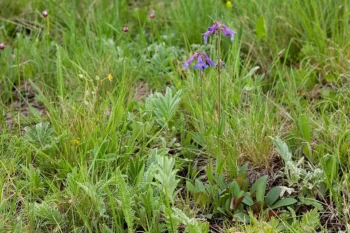
Apache Beardtongue: A Hidden Gem for Southwestern Gardens
If you’re looking for a tough, beautiful native plant that thrives in challenging conditions, let me introduce you to Apache beardtongue (Penstemon oliganthus). This lesser-known member of the beloved penstemon family packs a punch with its delicate flowers and rock-solid resilience, making it a perfect choice for water-wise gardens across the Southwest.
What Makes Apache Beardtongue Special?
Apache beardtongue is a perennial forb – essentially a non-woody flowering plant that comes back year after year. Unlike its showier penstemon cousins, this species flies under the radar with its more modest stature, but what it lacks in size, it makes up for in charm and adaptability.
This native beauty produces clusters of small, tubular flowers that range from soft pink to vibrant purple, creating a delicate display that belies the plant’s tough nature. The flowers emerge on slender stems above narrow, grayish-green foliage, giving the entire plant an elegant, airy appearance.
Where Does It Call Home?
Apache beardtongue is native to the southwestern United States, specifically calling Arizona and New Mexico home. It’s perfectly adapted to the challenging conditions of this region – intense sun, minimal rainfall, and well-draining soils that would stress out many garden plants.
- Species observed
- No observations
Growing Conditions and Care
One of the best things about Apache beardtongue is how little fuss it requires once established. Here’s what it needs to thrive:
- Sunlight: Full sun to partial shade, though it performs best with plenty of morning sun
- Soil: Well-draining soil is absolutely critical – this plant cannot tolerate wet feet
- Water: Drought tolerant once established; water deeply but infrequently
- Climate: Hardy in USDA zones 5-9, perfect for areas with hot, dry summers
Perfect for Water-Wise Gardens
Apache beardtongue shines in xeriscaping and native plant gardens. Its compact size and delicate texture make it ideal for:
- Rock gardens and desert landscapes
- Native plant collections
- Pollinator gardens
- Border plantings in water-wise designs
The plant’s modest height and spreading habit make it excellent for filling gaps between larger shrubs or creating drifts of color in naturalistic plantings.
Wildlife and Pollinator Benefits
Don’t let its small flowers fool you – Apache beardtongue is a pollinator magnet! The tubular blooms are perfectly shaped for hummingbirds, while native bees and butterflies also frequent the flowers. By planting this native species, you’re providing essential resources for local wildlife while supporting biodiversity in your garden.
Planting and Establishment Tips
The best time to plant Apache beardtongue is in fall or early spring when temperatures are moderate. Here are some key tips for success:
- Choose a location with excellent drainage – amend heavy clay soils with gravel or sand
- Plant at the same depth it was growing in the container
- Water regularly the first year to establish roots, then reduce watering significantly
- Avoid fertilizing – these plants prefer lean soils
- Mulch lightly with gravel rather than organic mulch to prevent moisture retention
A Word About Conservation
Apache beardtongue has a somewhat uncertain conservation status, which makes responsible sourcing important. When purchasing this plant, make sure you’re buying from reputable nurseries that propagate their own stock rather than wild-collecting. This helps protect wild populations while still allowing gardeners to enjoy this beautiful native species.
Is Apache Beardtongue Right for Your Garden?
If you garden in the Southwest and want a low-maintenance native that supports pollinators, Apache beardtongue could be your new best friend. It’s perfect for gardeners who appreciate subtle beauty over flashy displays and want plants that work with, rather than against, their local climate.
However, if you’re outside its native range or have consistently moist soils, you might want to consider other penstemon species better suited to your conditions. The key to success with any native plant is choosing species that match your local environment.
Apache beardtongue proves that sometimes the most rewarding garden plants are the ones that don’t demand attention but quietly deliver beauty, resilience, and ecological value year after year.