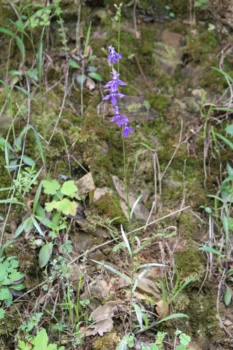
Apache Lobelia: A Native Southwestern Wildflower Worth Knowing
If you’re looking to add some authentic southwestern charm to your native plant garden, Apache lobelia (Lobelia anatina) might just be the hidden gem you’ve been seeking. This lesser-known native perennial brings a touch of wild beauty that’s perfectly at home in the American Southwest.
What is Apache Lobelia?
Apache lobelia is a native perennial forb that calls the southwestern United States home. As a forb, it’s essentially a non-woody flowering plant that dies back to the ground each winter but returns year after year from its root system. Think of it as nature’s way of providing reliable color without the commitment of a permanent shrub.
Where Does Apache Lobelia Grow Naturally?
This native beauty has quite a limited natural range, growing wild in just two states: Arizona and New Mexico. It’s a true regional specialty that evolved specifically for the unique conditions of the southwestern landscape.
- Species observed
- No observations
The Case for Growing Apache Lobelia
Here’s why Apache lobelia deserves a spot in your native garden:
- True native credentials: It’s genuinely native to the American Southwest, supporting local ecosystems
- Water-wise gardening: As a facultative wetland plant, it’s adaptable to various moisture conditions
- Perennial reliability: Once established, it returns year after year
- Regional authenticity: Perfect for creating landscapes that reflect your area’s natural heritage
Understanding Its Growing Preferences
Apache lobelia has an interesting relationship with water. It’s classified as a facultative wetland plant across multiple regions, which means it usually prefers moist conditions but can tolerate drier sites too. This flexibility makes it potentially useful for:
- Rain gardens and bioswales
- Areas with seasonal moisture
- Transitional zones between wet and dry garden areas
- Natural landscaping projects
The Reality Check
Here’s where we need to be honest: Apache lobelia isn’t exactly the superstar of the native plant world. Information about its specific growing requirements, appearance, and garden performance is quite limited. This could mean:
- It might be challenging to find in nurseries
- Growing guidance may require some experimentation
- It may not have the showy appeal of more popular native plants
Is Apache Lobelia Right for Your Garden?
Consider Apache lobelia if you’re:
- A native plant enthusiast interested in rare or unusual species
- Creating a specialized southwestern native landscape
- Working on habitat restoration in Arizona or New Mexico
- Looking for plants that can handle variable moisture conditions
However, you might want to explore other options if you’re:
- A beginning gardener who wants reliable, well-documented plants
- Looking for immediate visual impact in your landscape
- Gardening outside of the southwestern United States
Growing Apache Lobelia Successfully
Since specific cultivation information is limited, here are some general guidelines based on its natural habitat and wetland status:
- Moisture: Provide consistent moisture during growing season, but ensure good drainage
- Location: Try spots that receive morning sun but afternoon shade
- Soil: Well-draining soil that can retain some moisture
- Patience: Be prepared to observe and adapt your care as you learn this plant’s preferences
The Bottom Line
Apache lobelia represents the kind of native plant that serious enthusiasts love to discover and nurture. While it may not be the easiest or most spectacular choice for every garden, it offers the satisfaction of growing something truly special and regionally appropriate. If you’re up for a bit of horticultural adventure and want to support genuine southwestern native flora, Apache lobelia could be an interesting addition to your plant palette.
Just remember: sometimes the most rewarding plants are the ones that challenge us to become better, more observant gardeners.