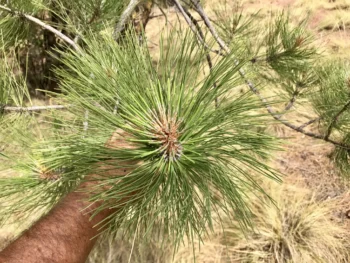
Apache Pine: A Majestic Native Conifer for Spacious Southwestern Gardens
If you’re lucky enough to have a large property in the Southwest and dream of a towering native tree with character to spare, let me introduce you to the Apache pine (Pinus engelmannii). This impressive conifer isn’t your average backyard pine – it’s a statement tree that demands space and respect, but rewards patient gardeners with decades of natural beauty.
Meet the Apache Pine
The Apache pine goes by several scientific names you might encounter, including Pinus apacheca and Pinus latifolia, but Pinus engelmannii is the accepted botanical name. This native beauty is a true Southwestern treasure, calling Arizona and New Mexico home. As a perennial tree, it’s in it for the long haul – we’re talking about a lifetime commitment that could outlive several generations of your family.
- Species observed
- No observations
What makes this pine so special? Picture a tree that can soar 80-100 feet tall with a crown spread of 25-40 feet. The Apache pine sports gorgeous reddish-brown to cinnamon-colored bark that peels away in distinctive plates, creating a puzzle-piece pattern that’s absolutely stunning against blue Southwestern skies. Its long, graceful needles – measuring 8 to 15 inches – grow in clusters of 3 to 5, creating a soft, feathery appearance that sways beautifully in mountain breezes.
Why You Might Want to Plant Apache Pine
There are several compelling reasons to consider this native giant:
- Native credentials: As a native species, it’s perfectly adapted to Southwestern conditions and supports local ecosystems
- Drought tolerance: Once established, it handles dry conditions like a champ
- Wildlife value: The large cones and seeds provide food for birds, squirrels, and other wildlife
- Specimen appeal: Few trees make as dramatic a landscape statement
- Low maintenance: After the establishment period, it pretty much takes care of itself
But Here’s the Reality Check
Before you fall head-over-heels for this beauty, consider these important factors:
- Space requirements: This tree needs room – lots of it. It’s not suitable for small yards or urban lots
- Growth rate: Apache pines are slow to moderate growers, so patience is essential
- Climate needs: It thrives in USDA zones 6-9 and prefers higher elevations
- Limited pollinator benefits: Being wind-pollinated, it doesn’t directly attract bees or butterflies
Growing Your Apache Pine Successfully
Ready to take the plunge? Here’s how to give your Apache pine the best start:
Site Selection: Choose a location with full sun and well-draining soil. This tree tolerates poor, rocky soils – actually prefers them to rich, moist conditions. Make sure you have adequate space for its eventual mature size.
Planting: Plant young trees in fall or early spring. Dig a hole twice as wide as the root ball but no deeper. The root flare should be at or slightly above ground level.
Watering: Water regularly the first year to establish roots, then reduce frequency. Mature trees are quite drought-tolerant and actually prefer drier conditions.
Care: The beauty of Apache pine is its low-maintenance nature. Avoid fertilizing (it prefers lean soils) and resist the urge to prune unless removing dead or damaged branches.
Perfect Garden Settings
Apache pine shines in:
- Large naturalized landscapes and woodland gardens
- Mountain or high-elevation properties
- Xeriscaped areas needing vertical interest
- Wildlife gardens focused on native species
- Properties where it can serve as a windbreak
The Bottom Line
Apache pine isn’t for everyone, but for the right gardener with the right space, it’s absolutely magical. If you have a large property in Arizona or New Mexico and want to plant something that truly belongs in your landscape, this native beauty deserves serious consideration. Just remember – think big, plan for the long term, and give it the space it deserves. Your great-grandchildren will thank you for planting such a magnificent legacy tree.
Whether you’re creating a native plant haven or simply want a tree that embodies the spirit of the Southwest, Apache pine offers a perfect blend of beauty, wildlife value, and regional authenticity that’s hard to beat.