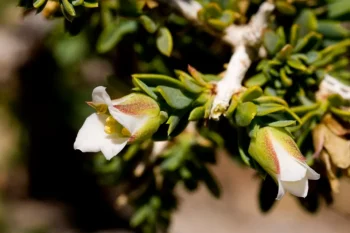
Apachebush: A Rare Desert Treasure Worth Protecting
If you’re drawn to unique native plants and conservation gardening, you may have encountered the intriguing apachebush (Apacheria chiricahuensis). This distinctive desert shrub isn’t your typical garden center find – and for good reason. It’s one of nature’s rarer gems, requiring our careful stewardship to ensure future generations can appreciate its quiet beauty.
What Makes Apachebush Special
Apachebush is a perennial shrub native to the lower 48 states, specifically thriving in the rugged landscapes of Arizona and New Mexico. As a true shrub, it develops multiple stems arising from or near the ground, typically staying under 13-16 feet in height, though most specimens remain much smaller in their natural rocky habitats.
This plant calls the Chiricahua Mountains and surrounding desert regions of southeastern Arizona and southwestern New Mexico home, where it has adapted to some pretty tough growing conditions.
- Species observed
- No observations
A Conservation Concern
Here’s where things get serious: apachebush carries a Global Conservation Status of S2, meaning it’s imperiled. With typically only 6 to 20 known occurrences and few remaining individuals (estimated at 1,000 to 3,000 plants), this species is especially vulnerable to disappearing forever. Extreme rarity and environmental pressures make every single plant precious.
If you’re considering growing apachebush, please only source it from reputable native plant nurseries that propagate their own stock responsibly. Never collect from wild populations – these plants are far too rare to risk.
Garden Role and Landscape Design
Apachebush shines in specialized settings:
- Xeric and desert-themed gardens
- Native plant conservation collections
- Rock gardens with southwestern flair
- Educational landscapes focused on rare species
This isn’t a plant for every garden, but for dedicated native plant enthusiasts and conservationists, it offers the chance to participate in preserving a piece of our natural heritage.
Growing Conditions and Care
Apachebush demands respect for its desert origins:
- Soil: Excellent drainage is non-negotiable; rocky, gravelly, or sandy soils work best
- Water: Minimal once established – overwatering is likely fatal
- Sun: Full sun exposure mimics its natural habitat
- Climate: Suitable for USDA zones 8-10, matching its native range
Planting and Care Tips
Success with apachebush requires patience and attention to detail:
- Plant in fall or early spring when temperatures are moderate
- Create a raised planting area or add coarse sand and gravel to improve drainage
- Water sparingly during establishment, then reduce to occasional deep watering during extreme drought
- Avoid fertilizers – this plant thrives in nutrient-poor conditions
- Protect from winter moisture in areas with wet winters
The Bottom Line
Apachebush isn’t for the casual gardener, but for those passionate about native plant conservation, it represents something special – a chance to help preserve a truly rare species. If you choose to grow this imperiled beauty, you’re taking on the role of conservation gardener, helping ensure that future generations might encounter apachebush both in gardens and in the wild.
Remember: with great rarity comes great responsibility. Only pursue this plant if you’re committed to proper care and have sourced it ethically. Sometimes the most meaningful additions to our gardens are those that connect us to the bigger picture of preserving biodiversity.