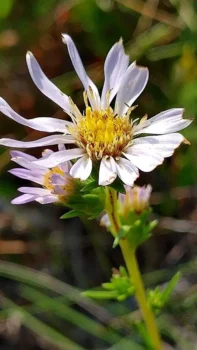
Apalachicola Aster: A Rare Florida Native Worth Protecting
Meet the Apalachicola aster (Eurybia spinulosa), one of Florida’s most precious and imperiled wildflowers. This delicate perennial is like finding a botanical unicorn – beautiful, special, and sadly, incredibly rare. If you’re lucky enough to encounter this native gem, you’re witnessing something truly extraordinary.
What Makes This Plant So Special?
The Apalachicola aster is a Florida endemic, meaning it exists nowhere else on Earth. This charming forb produces clusters of small, daisy-like flowers that bloom in fall when many other plants are winding down for the year. The flowers typically display white to pale purple petals surrounding cheerful yellow centers, creating a subtle but lovely display.
As a perennial herbaceous plant, it returns year after year, though it lacks the woody stems of shrubs and trees. Instead, it grows from underground parts that survive through winter, sending up fresh growth each growing season.
Where Does It Call Home?
This rare aster is found exclusively in Florida, particularly in the Apalachicola River region that gives it its common name. Its extremely limited geographic distribution is one of the factors contributing to its precarious conservation status.
- Species observed
- No observations
A Conservation Concern
Here’s where things get serious: the Apalachicola aster has a Global Conservation Status of S1, meaning it’s critically imperiled. With typically five or fewer known occurrences and very few remaining individuals (fewer than 1,000), this plant is teetering on the edge of extinction. This rarity status means we need to be extremely thoughtful about how we approach growing this species.
Growing Conditions and Care
If you’re considering adding this rare beauty to your garden, you’ll need to recreate its natural wetland habitat:
- Moisture: As a facultative wetland plant, it thrives in consistently moist to wet soils
- Light: Tolerates partial shade to full sun conditions
- Soil: Prefers sandy or organic soils with good drainage despite moisture needs
- Climate: Hardy in USDA zones 8-9, matching Florida’s climate
- Maintenance: Minimal fertilization needed; benefits from organic matter additions
Perfect Garden Settings
The Apalachicola aster is ideal for:
- Wetland restoration projects
- Rain gardens and bioswales
- Native plant preserves
- Conservation-focused landscapes
- Specialized wildflower collections
Wildlife and Pollinator Benefits
When in bloom during fall, this aster provides crucial late-season nectar for native bees, butterflies, and other pollinators when food sources become scarce. Its seeds likely support various birds and small wildlife, though specific wildlife relationships need more research.
Should You Plant It?
This is where responsible gardening becomes crucial. While the Apalachicola aster would make a wonderful addition to appropriate gardens, its critically imperiled status means you should only plant it if you can source it responsibly. This means:
- Purchase only from reputable native plant nurseries that propagate from ethical sources
- Never collect from wild populations
- Consider supporting conservation efforts instead of growing it personally
- Look into participating in seed banking or propagation programs
Alternative Native Asters
If you love the idea of fall-blooming native asters but want more readily available options, consider other native Florida asters that aren’t critically imperiled. Your local native plant society can recommend suitable alternatives that provide similar benefits without conservation concerns.
The Bottom Line
The Apalachicola aster represents both the beauty and fragility of Florida’s unique ecosystems. While it’s a stunning plant that would enhance any wetland garden, its rarity demands our respect and protection. If you encounter this species in the wild, take photos, not specimens, and consider supporting the organizations working to preserve it for future generations.
Sometimes the most meaningful way to appreciate a rare plant is to admire it from afar while supporting conservation efforts that ensure it continues to grace Florida’s wetlands for years to come.