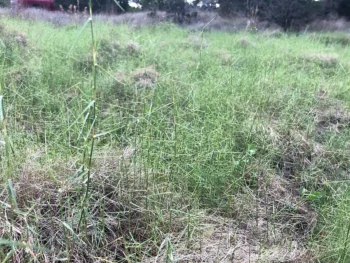
Aparejograss: A Hardy Native Grass for Water-Wise Gardens
If you’re looking to add some graceful movement and texture to your southwestern garden while supporting local ecosystems, aparejograss might just be your new best friend. This unassuming perennial grass packs a lot of charm into a relatively small package, making it a fantastic choice for gardeners who want beauty without the fuss.
What Makes Aparejograss Special?
Aparejograss (Muhlenbergia utilis) is a true native of the American Southwest, naturally occurring across Arizona, California, Nevada, and Texas. As a perennial graminoid – that’s fancy talk for grass-like plant – it brings that quintessential prairie elegance to desert and semi-arid landscapes.
- Species observed
- No observations
What sets this grass apart from its showier cousins is its understated beauty. The fine-textured foliage creates a soft, almost ethereal presence in the garden, while the delicate seed heads dance in the slightest breeze, adding that coveted sense of movement that landscape designers love.
Where Does Aparejograss Shine in Your Garden?
This adaptable native works beautifully in several garden settings:
- Xeriscape gardens – Perfect for water-wise landscaping
- Native plant gardens – Supports local wildlife and fits naturally into regional ecosystems
- Naturalized areas – Great for creating that wild meadow look
- Accent plantings – Adds texture contrast when planted near broader-leafed plants
- Restoration projects – Helps stabilize soil in disturbed areas
Growing Conditions That Make Aparejograss Happy
One of the best things about aparejograss is that it’s genuinely low-maintenance once established. Here’s what this grass prefers:
Sunlight: Full sun to partial shade – it’s quite flexible about lighting conditions
Soil: Well-draining soils are essential. This grass doesn’t appreciate soggy feet, though its facultative wetland status means it can handle occasional moisture better than some desert plants
Water: Drought-tolerant once established, but appreciates regular watering during the establishment period
Climate: Hardy in USDA zones 7-10, making it perfect for most southwestern gardens
Planting and Care Tips
Getting aparejograss established in your garden is refreshingly straightforward:
Best planting time: Fall or early spring when temperatures are moderate
Starting options: You can plant from seed or transplants. Seeds should be sown on the surface and lightly covered, while transplants should be planted at the same depth they were growing in their containers
Establishment care: Water regularly for the first growing season to help the root system develop. Once established, you can reduce watering significantly
Ongoing maintenance: Minimal! This grass is pretty much set-it-and-forget-it once it’s happy in its spot
The Wildlife Connection
While aparejograss might look delicate, it’s actually quite the wildlife supporter. Its facultative wetland status across multiple regions means it can provide habitat structure in various moisture conditions. Though it’s wind-pollinated rather than insect-pollinated, the grass provides valuable cover and nesting sites for beneficial insects and small wildlife.
Should You Plant Aparejograss?
If you’re gardening in the Southwest and want to create a landscape that’s both beautiful and ecologically responsible, aparejograss deserves serious consideration. It’s native, low-maintenance, water-wise, and adds that subtle textural interest that makes gardens feel complete.
The main consideration is whether you have the right growing conditions – well-draining soil and at least partial sun. If you can provide those basics, aparejograss will reward you with years of graceful beauty and the satisfaction of knowing you’re supporting your local ecosystem.
Sometimes the most valuable plants in our gardens aren’t the showstoppers – they’re the reliable supporting players that tie everything together. Aparejograss might just be one of those perfect supporting players your southwestern garden has been waiting for.