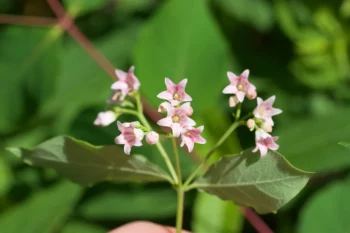
Apocynum ×floribundum: A Rare Native Hybrid Worth Knowing About
If you’ve stumbled across the name Apocynum ×floribundum in your native plant research, you might be scratching your head. This mysterious hybrid doesn’t have a widely recognized common name, and for good reason – it’s one of those plants that botanists know about but gardeners rarely encounter. Let’s dive into what makes this North American native so intriguing and whether it deserves a spot in your garden.
What Exactly Is Apocynum ×floribundum?
Apocynum ×floribundum is a perennial hybrid in the dogbane family. The × in its name is a dead giveaway that we’re dealing with a hybrid – a natural cross between two dogbane species. This plant grows as a forb, which is just a fancy way of saying it’s a non-woody perennial that dies back to the ground each winter and pops up again in spring.
Like many hybrids, this plant has collected quite a few scientific aliases over the years, including Apocynum jonesii, Apocynum medium, and several others. Botanists love to shuffle names around, don’t they?
Where Does It Call Home?
This hybrid is truly a North American native, naturally occurring across both Canada and the United States. Its range is impressively vast, stretching from coast to coast and covering most states and provinces you can think of – from Alberta to Florida, from California to Newfoundland. That’s quite the travel résumé!
- Species observed
- No observations
The Rarity Factor
Here’s where things get interesting: while Apocynum ×floribundum has a broad potential range, it’s actually quite rare in some areas. In Arkansas, for example, it carries an S1 rarity ranking, meaning it’s critically imperiled in that state. This rarity status is something every responsible gardener should consider.
If you’re thinking about growing this plant, please source it responsibly. Never collect from wild populations, especially in areas where it’s rare. Instead, work with reputable native plant nurseries that propagate their stock ethically.
Should You Grow It?
Here’s the honest truth: information about cultivating Apocynum ×floribundum specifically is pretty scarce. This isn’t necessarily a reflection of the plant’s garden worthiness – it might simply be that this hybrid hasn’t caught the attention of the horticultural world yet.
As a native plant, it would theoretically be a great addition to naturalistic gardens and native plant landscapes. However, the lack of readily available information about its specific growing requirements, mature size, and garden performance makes it a bit of a wild card for home gardeners.
Growing Considerations
While specific growing information for this hybrid is limited, we can make some educated guesses based on its dogbane relatives and its wide natural distribution. The fact that it grows across such varied climates suggests it’s likely quite adaptable to different conditions.
If you do find a source for this plant, consider these general tips:
- Start with a small trial planting to see how it performs in your specific location
- Observe its growth habits and space requirements in your garden
- Document your experience – you might be contributing valuable information to the gardening community!
- Consider it for naturalistic or restoration plantings rather than formal garden settings
The Bottom Line
Apocynum ×floribundum represents one of those fascinating plants that exists in the overlap between botanical science and practical gardening. While it’s undoubtedly a legitimate native species with ecological value, its rarity and the limited cultivation information available make it more of a specialist’s plant than a mainstream garden choice.
If you’re passionate about rare natives and enjoy being a gardening pioneer, this could be an interesting addition to your collection – just remember to source it responsibly. For most gardeners looking for reliable native dogbanes, you might want to start with the better-known parent species before venturing into hybrid territory.
Sometimes the most interesting plants are the ones that keep a little mystery about them, and Apocynum ×floribundum certainly fits that bill!