Appalachian Barren Strawberry: A Charming Native Groundcover for Shady Spots
If you’re searching for a delightful native groundcover that brings early spring cheer to shady corners of your garden, meet the Appalachian barren strawberry (Waldsteinia fragarioides). Don’t let the name fool you – while it may not produce edible berries like its strawberry cousins, this charming little plant offers something even better for gardeners: a carpet of cheerful yellow flowers and virtually maintenance-free ground coverage.
What Makes This Plant Special
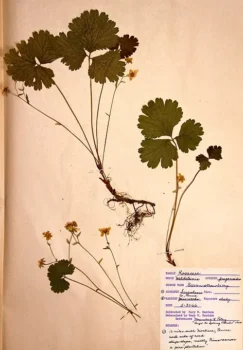
The Appalachian barren strawberry is a native perennial forb that forms attractive low-growing mats perfect for covering bare ground. In late spring, it produces clusters of bright yellow, five-petaled flowers that seem to glow in dappled shade. The leaves, arranged in groups of three leaflets, bear a striking resemblance to strawberry plants – hence the common name. While you won’t get any fruit from this beauty, you’ll get something far more valuable: a reliable, long-lived groundcover that supports local ecosystems.
Where It Calls Home
This adaptable native thrives across a impressive range of North America. You’ll find Appalachian barren strawberry growing naturally from southeastern Canada down through the eastern United States, including Alabama, Arkansas, Connecticut, Georgia, and many states in between, extending as far west as Minnesota and Wisconsin. It’s truly at home in the diverse climates of USDA hardiness zones 3 through 8.
- Species observed
- No observations
Important note for Arkansas gardeners: This species has a rarity status of S1 (critically imperiled) in Arkansas. If you’re in the Natural State and want to grow this plant, please source it only from reputable native plant nurseries that propagate their own stock rather than wild-collecting.
Perfect for Woodland Gardens and Beyond
Appalachian barren strawberry shines brightest in woodland and shade gardens where many other plants struggle. Its spreading habit makes it an excellent choice for:
- Naturalizing large areas under trees
- Creating living mulch around shrubs
- Filling in gaps in perennial borders
- Stabilizing slopes in shaded areas
- Adding native plant diversity to established landscapes
The plant typically grows 6-8 inches tall but can spread 12-18 inches wide, creating dense colonies over time through underground runners.
A Friend to Pollinators
Those cheerful yellow blooms aren’t just pretty to look at – they’re an important early-season nectar source for native bees, butterflies, and other small pollinators. Since Appalachian barren strawberry flowers in late spring when many other nectar sources are still dormant, it provides crucial fuel for pollinators emerging from winter.
Growing Appalachian Barren Strawberry Successfully
One of the best things about this native groundcover is how easy-going it is once established. Here’s what it needs to thrive:
Light and Location
Partial to full shade works best, though it can tolerate some morning sun. Think of the dappled light conditions you’d find on a forest floor – that’s this plant’s happy place.
Soil Requirements
Appalachian barren strawberry isn’t particularly fussy about soil type, but it performs best in moist, well-draining soil rich in organic matter. It adapts well to various pH levels and can handle both clay and sandy soils with adequate moisture.
Planting Tips
- Plant in spring or fall when temperatures are moderate
- Space plants 12-18 inches apart to allow for natural spreading
- Dig holes slightly larger than the root ball
- Water thoroughly after planting and keep soil consistently moist the first season
Care and Maintenance
Once established, Appalachian barren strawberry is remarkably low-maintenance:
- Water during extended dry periods, especially in the first year
- Apply a thin layer of compost or leaf mold annually
- No regular fertilization needed – this native prefers lean conditions
- Divide overcrowded clumps every 3-4 years if desired
- Remove any weeds that compete with young plants
The Bottom Line
Appalachian barren strawberry deserves a spot in more native plant gardens. It’s reliable, beautiful, supports local wildlife, and solves the common problem of what to plant in those tricky shady spots. While it may not give you strawberries for your morning cereal, it will give you years of easy-care beauty and the satisfaction of supporting native ecosystems right in your own backyard.
Just remember to source your plants responsibly, especially if you’re gardening in areas where this species is rare. Your local native plant society or extension office can point you toward reputable nurseries that propagate rather than wild-collect their native plants.