Appalachian Bugbane: A Rare Woodland Treasure Worth Protecting
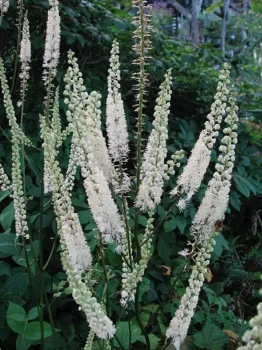
Meet Appalachian bugbane (Actaea rubifolia), a rare and beautiful native perennial that’s like finding a hidden gem in the woods. This delicate woodland wildflower might not be the showiest plant in your garden, but it carries special significance as a vulnerable species that deserves our attention and care.
What Makes Appalachian Bugbane Special?
Appalachian bugbane is a herbaceous perennial forb—basically a non-woody plant that dies back to the ground each winter and returns in spring. As a member of the buttercup family, it produces elegant spikes of small, creamy white flowers that dance above compound leaves during its blooming period.
What truly sets this plant apart is its rarity. With a Global Conservation Status of S3, Appalachian bugbane is considered vulnerable throughout its range. In Alabama, it’s listed as historically present (SH), meaning it may no longer occur there naturally. This makes every garden specimen potentially important for conservation.
Where Does It Call Home?
This native beauty naturally occurs across a limited range in the eastern United States, including Alabama, Illinois, Indiana, Kentucky, Pennsylvania, Tennessee, and Virginia. It’s perfectly adapted to the woodland conditions of the Appalachian region and surrounding areas.
- Species observed
- No observations
Why Consider Growing Appalachian Bugbane?
Important Note: Due to its vulnerable conservation status, only plant Appalachian bugbane if you can source it responsibly from reputable native plant nurseries that propagate their own stock—never collect from the wild.
Here’s why this rare beauty might be worth seeking out:
- Conservation impact: Growing it helps preserve a vulnerable native species
- Unique garden addition: Few gardeners have this rare woodland plant
- Native pollinator support: Small white flowers attract flies, small bees, and other native pollinators
- Low maintenance: Once established, it’s well-suited to its preferred conditions
- Woodland aesthetic: Perfect for creating authentic native woodland gardens
Growing Conditions and Care
Appalachian bugbane thrives in conditions that mimic its natural woodland habitat:
- Light: Partial to full shade (morning sun with afternoon shade is ideal)
- Soil: Moist, well-draining, rich woodland soil
- Water: Consistent moisture but not waterlogged conditions
- Hardiness: Suitable for USDA zones 4-7
Perfect Garden Situations
This woodland specialist shines in:
- Shade gardens under mature trees
- Native plant gardens focused on regional species
- Woodland restoration projects
- Conservation-minded landscapes
- Rain gardens in shaded areas
Planting and Care Tips
Growing Appalachian bugbane successfully means recreating woodland conditions:
- Spring planting: Plant in early spring when soil is workable
- Soil preparation: Amend with compost or leaf mold to improve soil structure
- Mulching: Apply a 2-3 inch layer of organic mulch to retain moisture
- Watering: Keep soil consistently moist, especially during establishment
- Patience: Allow time for establishment—woodland plants often grow slowly
A Plant Worth Protecting
Appalachian bugbane represents something special in the native plant world—a beautiful species that needs our help to survive. While it may not be the easiest plant to find or the flashiest in your garden, growing it connects you to conservation efforts and helps preserve a piece of our natural heritage.
If you’re passionate about native plants and conservation, and you can source this plant responsibly, Appalachian bugbane offers a unique opportunity to grow something truly special while contributing to the preservation of our native flora.
Remember: the best way to help rare plants is to grow them responsibly, share seeds or divisions with other gardeners, and never collect from wild populations. Every garden that successfully grows Appalachian bugbane becomes a small sanctuary for this vulnerable species.