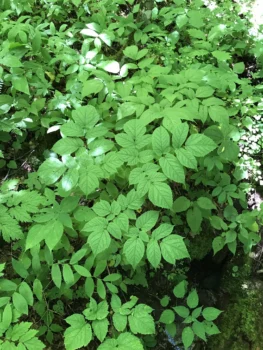
Appalachian False Goat’s Beard: A Delicate Native Beauty for Shade Gardens
If you’re searching for an elegant native perennial that thrives in shady spots, look no further than Appalachian false goat’s beard (Astilbe biternata). This charming southeastern native brings delicate beauty to woodland gardens while supporting local ecosystems – a win-win for both gardeners and wildlife!
What Makes Appalachian False Goat’s Beard Special?
Don’t let the quirky name fool you – this plant is all grace and elegance. Appalachian false goat’s beard produces stunning feathery plumes of creamy white flowers that dance above attractive compound leaves. The blooms typically appear in late spring to early summer, creating an almost ethereal effect in shaded garden areas.
As a true native of the southeastern United States, this perennial has evolved alongside local wildlife and growing conditions, making it a naturally resilient choice for regional gardens.
Where Does It Call Home?
Appalachian false goat’s beard is native to nine southeastern states, primarily concentrated in the Appalachian region. You’ll find it naturally growing in Georgia, Kentucky, Maryland, Mississippi, North Carolina, South Carolina, Tennessee, Virginia, and West Virginia.
- Species observed
- No observations
Perfect Spots in Your Garden
This versatile native shines in several garden settings:
- Woodland and shade gardens where it mimics its natural forest habitat
- Native plant gardens focusing on regional species
- Rain gardens and areas with consistent moisture
- Naturalized landscapes and understory plantings
Its wetland status as Facultative Upland means it typically prefers non-wetland conditions but can tolerate some moisture – making it adaptable to various garden situations.
Growing Conditions That Make It Happy
Appalachian false goat’s beard is surprisingly easy to please once you understand its preferences:
- Light: Partial to full shade (perfect for those tricky shady spots!)
- Soil: Moist, well-draining, humus-rich soil
- Hardiness: Thrives in USDA zones 4-8
- Moisture: Consistent moisture without waterlogging
Planting and Care Made Simple
Getting started with Appalachian false goat’s beard is refreshingly straightforward:
- Plant in spring when soil is workable
- Space plants about 18-24 inches apart
- Maintain consistent soil moisture, especially during dry spells
- Apply a 2-3 inch layer of organic mulch around the base
- Divide clumps every 3-4 years to maintain vigor
This low-maintenance perennial pretty much takes care of itself once established, making it perfect for busy gardeners or those new to native plants.
Wildlife Benefits Worth Celebrating
Beyond its ornamental value, Appalachian false goat’s beard serves as an important resource for local wildlife. The nectar-rich flowers attract beneficial insects including small native bees and flies, supporting pollinator populations in your garden ecosystem.
Why Choose This Native Beauty?
Appalachian false goat’s beard offers gardeners the best of both worlds – stunning ornamental appeal and ecological value. Its delicate flowers add texture and movement to shade gardens, while its native status means you’re supporting local biodiversity. Plus, once established, it’s remarkably low-maintenance compared to many non-native alternatives.
Whether you’re creating a woodland retreat, establishing a native plant garden, or simply looking for an attractive perennial for shady areas, Appalachian false goat’s beard deserves serious consideration. It’s proof that native plants can be both beautiful and beneficial – exactly what today’s eco-conscious gardeners are seeking.