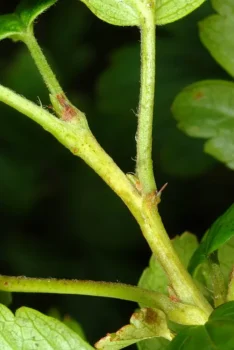
Appalachian Gooseberry: A Hidden Gem for Shade Gardens
If you’re looking for a native shrub that thrives in shady spots while providing food for both wildlife and humans, let me introduce you to the Appalachian gooseberry (Ribes rotundifolium). This charming little shrub might not be the showiest plant in your garden, but it’s definitely one of the most useful – and it comes with a delightful personality all its own.
What Exactly Is Appalachian Gooseberry?
Appalachian gooseberry is a perennial, multi-stemmed shrub that typically stays nice and compact, usually reaching less than 4 to 5 feet in height. You might also see it listed under some fancy botanical synonyms like Grossularia rotundifolia, Ribes stamineum, or Ribes triflorum, but don’t let those intimidating names fool you – this is a pretty easygoing plant.
As a true native of the lower 48 states, this gooseberry has been quietly doing its thing in American forests for centuries. It naturally grows throughout much of the eastern United States, including Connecticut, District of Columbia, Kansas, Kentucky, Maryland, Massachusetts, New Jersey, New York, North Carolina, Ohio, Pennsylvania, South Carolina, Tennessee, Virginia, and West Virginia.
- Species observed
- No observations
Why You’ll Fall in Love with This Little Shrub
Here’s where the Appalachian gooseberry really shines – it’s like the Swiss Army knife of native shrubs. In spring, it produces small white to greenish flowers that might not stop traffic, but they’re absolute magnets for early pollinators like bees and flies who are desperately seeking nectar after a long winter.
Come summer, those modest flowers transform into purple-black berries that are not only edible but actually quite tasty. Think of them as nature’s little treat hidden in your shade garden. The berries make excellent jams, jellies, or can be eaten fresh right off the bush (though you might have to race the birds for them!).
And if that wasn’t enough, fall brings beautiful yellow-orange foliage that adds a warm glow to shadier areas of your landscape where autumn color is often hard to come by.
Perfect Spots for Planting
This adaptable shrub is ideal for several garden situations:
- Woodland gardens where you want something productive in the understory
- Shade gardens that need a little more structure
- Native plant gardens focused on regional species
- Informal landscapes where you want things to look natural
- Edible landscaping projects in shadier spots
Growing Conditions That Make It Happy
One of the best things about Appalachian gooseberry is that it actually prefers what many gardeners consider difficult conditions. It thrives in partial to full shade and appreciates moist, well-drained soils. It’s even tolerant of rocky conditions, making it perfect for those challenging spots in your yard where other plants sulk.
This tough little shrub is hardy in USDA zones 4-8, so it can handle both cold winters and reasonably hot summers. Once established, it’s surprisingly drought tolerant, though it will produce better berries with consistent moisture.
Planting and Care Made Simple
Getting your Appalachian gooseberry off to a good start is refreshingly straightforward:
- Plant in fall or early spring when the weather is cool
- Choose a partially shaded location with well-draining soil
- Dig a hole twice as wide as the root ball but no deeper
- Water thoroughly after planting and apply a 2-3 inch layer of mulch
- Water regularly the first year, then let nature take over
Maintenance is minimal – this shrub pretty much takes care of itself. You can prune lightly in late winter to remove any dead or damaged branches, but heavy pruning isn’t necessary or recommended. The natural form is part of its charm.
Wildlife Benefits That Keep Giving
Beyond the early spring pollinator support, Appalachian gooseberry is a wildlife magnet. Birds absolutely love the berries (hence why you might need to harvest quickly!), and the shrub provides shelter and nesting spots for smaller songbirds. It’s one of those plants that creates its own little ecosystem in your garden.
The Bottom Line
If you have a shady spot that needs something useful, beautiful, and completely fuss-free, Appalachian gooseberry deserves serious consideration. It won’t demand attention like a flashy ornamental, but it will quietly provide food, habitat, and seasonal interest year after year. Plus, there’s something deeply satisfying about growing a plant that’s been thriving in American forests since long before any of us were around to fuss over it.
Sometimes the best garden additions are the ones that do their job beautifully without making a big fuss about it – and that’s exactly what you get with this delightful native gooseberry.