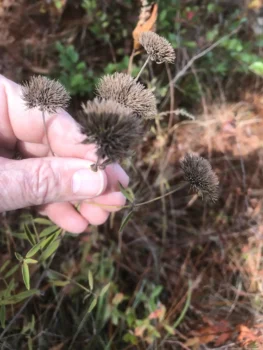
Appalachian Mountainmint: A Fragrant Native Gem for Your Garden
If you’re looking for a native plant that’s both beautiful and beneficial, let me introduce you to Appalachian mountainmint (Pycnanthemum flexuosum). This delightful perennial might not be the showiest plant in your garden, but it’s definitely one of the hardest working – and it smells amazing too!
What is Appalachian Mountainmint?
Appalachian mountainmint is a native perennial forb that belongs to the mint family, though it’s quite different from the culinary mints you might know. This southeastern native has also been known by several other botanical names over the years, including Koellia hugeri, Koellia hyssopifolia, and Pycnanthemum hyssopifolium, which explains why you might see it listed differently in older gardening references.
As a forb, this plant lacks woody tissue above ground but develops a strong root system that helps it return year after year. The narrow, linear leaves release a pleasant minty fragrance when brushed against or crushed, making it a wonderful addition to sensory gardens.
Where Does It Grow Naturally?
This charming native calls the southeastern United States home, naturally occurring across Alabama, Florida, Georgia, Mississippi, North Carolina, South Carolina, and Virginia. In these regions, you’ll typically find it growing in moist areas, wetlands, and along stream banks.
- Species observed
- No observations
Why You’ll Love Growing Appalachian Mountainmint
There are plenty of reasons to consider adding this native beauty to your landscape:
- Pollinator magnet: The small, white to pale pink flowers arranged in dense, flat-topped clusters are absolutely beloved by bees, butterflies, and other beneficial insects
- Long blooming period: Flowers appear from mid to late summer when many other plants are starting to fade
- Aromatic foliage: The minty-scented leaves add a pleasant fragrance to your garden
- Low maintenance: Once established, it’s quite easy to care for
- Versatile: Works well in various garden styles from formal borders to naturalized areas
Perfect Garden Settings
Appalachian mountainmint is incredibly versatile and fits beautifully into several types of garden designs:
- Native plant gardens where it can mingle with other southeastern natives
- Pollinator gardens where its nectar-rich flowers support local wildlife
- Rain gardens and bioswales thanks to its tolerance for wet conditions
- Cottage gardens where its informal charm adds texture and fragrance
- Naturalized meadow areas where it can spread and form colonies
Growing Conditions and Care
The good news is that Appalachian mountainmint isn’t particularly fussy about its growing conditions. Here’s what it prefers:
Light: Full sun to partial shade, though it blooms best with at least 6 hours of direct sunlight
Soil: Moist to wet soils are ideal, but it can adapt to various soil types including clay. Its facultative wetland status means it naturally thrives in consistently moist conditions but can handle some variation
Hardiness: Hardy in USDA zones 6-9, making it suitable for most of its native range and beyond
Water: Prefers consistent moisture, especially during establishment. Once mature, it’s quite drought tolerant but performs best with regular water
Planting and Care Tips
Getting your Appalachian mountainmint off to a good start is straightforward:
- Planting time: Spring or fall are ideal for planting
- Spacing: Allow 18-24 inches between plants as they can spread via rhizomes
- Establishment: Keep soil consistently moist during the first growing season
- Maintenance: Very low maintenance once established – just remove spent flowers if you prefer a tidier look
- Division: Can be divided every 3-4 years if you want to control spread or create new plants
- Spreading: Be aware that it may form colonies over time, which is great for naturalized areas but might require management in formal gardens
Wildlife and Ecological Benefits
Beyond its garden appeal, Appalachian mountainmint plays an important role in supporting local ecosystems. The flowers provide excellent nectar sources for native bees, butterflies, and other pollinators during late summer when many other blooms have faded. This timing makes it particularly valuable for supporting pollinator populations through the latter part of the growing season.
Is Appalachian Mountainmint Right for Your Garden?
If you’re looking for a low-maintenance native plant that supports pollinators, adds fragrance to your garden, and adapts well to various conditions, Appalachian mountainmint could be perfect for you. It’s especially ideal if you have moist areas in your landscape that need some interest, or if you’re creating habitat for beneficial insects.
Just keep in mind its spreading habit – while this makes it excellent for naturalized areas and erosion control, you might want to give it room to roam or be prepared to divide it occasionally in smaller spaces.
With its combination of ecological benefits, pleasant fragrance, and easy-care nature, Appalachian mountainmint proves that sometimes the most valuable garden plants are the ones that work quietly behind the scenes to support the broader web of life in your landscape.