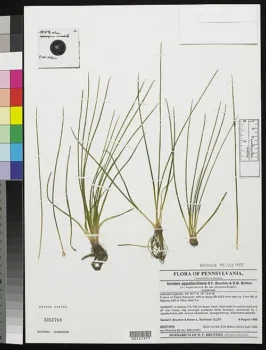
Appalachian Quillwort: A Rare Aquatic Treasure for Specialized Water Gardens
Meet the Appalachian quillwort (Isoetes appalachiana), one of nature’s most fascinating yet elusive aquatic plants. This perennial water dweller isn’t your typical garden plant – it’s a living fossil that’s been quietly thriving in southeastern waters for millions of years, though finding it today requires a bit of luck and a keen eye.
What Exactly Is an Appalachian Quillwort?
Don’t let the name fool you – quillworts aren’t actually related to grasses, despite their grass-like appearance. The Appalachian quillwort belongs to an ancient group of plants that reproduce through spores rather than seeds or flowers. Think of it as a botanical time capsule, more closely related to ferns than to the grasses it resembles.
This unique plant produces clusters of narrow, quill-shaped leaves that emerge from an underground base, creating small underwater meadows in shallow waters. While it may not win any beauty contests with showy blooms, its quiet presence adds an authentic wild touch to natural water features.
Where You’ll Find This Rare Beauty
The Appalachian quillwort calls the southeastern United States home, with populations scattered across Florida, Georgia, North Carolina, Pennsylvania, South Carolina, and Virginia. However, scattered is the key word here – this plant has become increasingly rare, earning it an S1 conservation status in Alabama, meaning it’s critically imperiled.
- Species observed
- No observations
A Word of Caution: Rarity Matters
Here’s where things get serious, fellow plant lovers. The Appalachian quillwort is genuinely rare in the wild, making responsible sourcing absolutely critical. If you’re considering adding this plant to your collection, please ensure you’re working with reputable native plant nurseries that propagate rather than wild-collect their specimens. Never harvest from wild populations – every plant counts when dealing with such rare species.
Growing Conditions: Not for the Faint of Heart
This isn’t a plant for casual water gardeners. The Appalachian quillwort has very specific needs that mirror its natural habitat:
- Water requirements: Must be submerged in shallow water (typically 6 inches to 3 feet deep)
- Wetland status: Classified as Obligate Wetland – it absolutely requires wetland conditions to survive
- Seasonal patterns: Often found in temporary pools that may dry seasonally
- Water chemistry: Prefers acidic, nutrient-poor waters
- USDA Hardiness Zones: Zones 6-9, based on its native range
Is It Right for Your Garden?
The Appalachian quillwort isn’t suited for most home gardens, and honestly, that’s probably for the best given its conservation status. However, it might work if you have:
- A natural pond or bog garden with fluctuating water levels
- Experience with specialized aquatic plant care
- A commitment to conservation and native plant preservation
- Access to responsibly sourced specimens
Wildlife and Ecological Benefits
While the Appalachian quillwort doesn’t attract pollinators (it reproduces via spores, not flowers), it plays important ecological roles in its native aquatic habitats. It provides habitat structure for small aquatic creatures and contributes to the biodiversity of rare wetland ecosystems.
The Bottom Line
The Appalachian quillwort is more of a conservation curiosity than a practical garden plant. Its extremely specialized growing requirements, combined with its rare status, make it suitable only for dedicated water gardeners with the right conditions and conservation mindset. For most gardeners interested in native aquatic plants, consider more readily available alternatives like native sedges, rushes, or water lilies that can provide similar ecological benefits without the conservation concerns.
If you’re fortunate enough to encounter this rare plant in the wild, take a moment to appreciate this living piece of botanical history – and leave it undisturbed for future generations to discover.