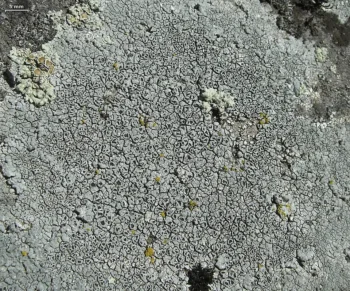
Aquatic Aspicilia: The Water-Loving Lichen You Might Spot on Rocky Shores
Have you ever noticed grayish, crusty patches growing on wet rocks near streams, lakes, or coastal areas? You might be looking at aquatic aspicilia (Aspicilia aquatica), a fascinating lichen that calls North America’s waterways home. While this isn’t a plant you can add to your garden bed, understanding what it is and why it matters can deepen your appreciation for the incredible diversity of life thriving in natural landscapes.
What Exactly Is Aquatic Aspicilia?
Let’s clear up any confusion right away – aquatic aspicilia isn’t actually a plant at all! It’s a lichen, which is essentially a partnership between a fungus and algae working together in perfect harmony. This collaborative relationship allows lichens to survive in places where neither partner could thrive alone, including the challenging environment of wet, rocky surfaces.
Botanically known as Aspicilia aquatica, this species was previously classified under the synonym Lecanora aquatica. It belongs to the fascinating world of crustose lichens, which form thin, crusty layers that seem almost painted onto their rocky homes.
Where You’ll Find This Remarkable Lichen
Aquatic aspicilia is native to North America, with populations spread across northern regions including arctic and subarctic areas. True to its name, this lichen has a special affinity for aquatic environments, typically growing on rocks that are regularly splashed by water or submerged during high water periods.
Identifying Aquatic Aspicilia
Spotting this lichen requires knowing what to look for:
- Appearance: Thin, crusty patches that range from grayish to brownish in color
- Texture: Forms a tight, almost paint-like coating on rock surfaces
- Habitat: Always found on wet rocks near water sources
- Location: Rocky shores, stream beds, and areas with frequent water exposure
Is Aquatic Aspicilia Beneficial to Have Around?
While you can’t cultivate this lichen in your garden, its presence in natural areas is actually quite beneficial! Lichens like aquatic aspicilia serve as important indicators of environmental health – they’re sensitive to air pollution, so their presence often signals clean air and water conditions.
In their natural habitat, lichens contribute to ecosystem health by:
- Slowly breaking down rock surfaces, contributing to soil formation over time
- Providing food for various small creatures and insects
- Serving as natural air quality monitors
- Adding to biodiversity in aquatic ecosystems
Why This Matters for Native Garden Enthusiasts
Even though you can’t plant aquatic aspicilia in your garden, understanding and appreciating lichens like this one connects us to the broader web of native life. When you’re planning native landscapes near water features or rocky areas, remember that healthy ecosystems include not just flowering plants and shrubs, but also the often-overlooked partners like lichens, mosses, and fungi.
If you’re lucky enough to spot aquatic aspicilia during your nature walks, take a moment to appreciate this remarkable example of biological cooperation. These unassuming crusty patches represent millions of years of evolutionary partnership – and that’s pretty amazing when you think about it!
The next time you’re near a rocky shoreline or stream, keep an eye out for these subtle but important members of North America’s native communities. They might not add color to your garden, but they certainly add wonder to our natural world.