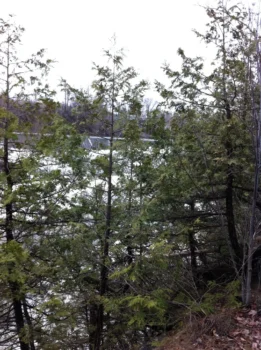
Growing Arborvitae: A Native Evergreen Workhorse for Your Landscape
If you’re looking for a reliable, low-maintenance evergreen that’s as American as apple pie, meet the arborvitae (Thuja occidentalis). This native conifer might not win any beauty contests, but what it lacks in flashy flowers, it makes up for in dependable, year-round greenery and impressive longevity. Also known as eastern white cedar or northern white cedar, this tree has been quietly holding down landscapes across North America for centuries.
Where Arborvitae Calls Home
Arborvitae is native to both Canada and the United States, with a natural range that stretches impressively across the northern tier of North America. You’ll find wild populations from Manitoba in the west all the way to Nova Scotia in the east, and south through the Great Lakes region down into parts of the Appalachians. In the U.S., it naturally occurs in states including Maine, New Hampshire, Vermont, Massachusetts, Connecticut, Rhode Island, New York, New Jersey, Pennsylvania, Maryland, Virginia, West Virginia, North Carolina, South Carolina, Tennessee, Kentucky, Ohio, Michigan, Indiana, Illinois, Wisconsin, Minnesota, and Iowa.
- Species observed
- No observations
Important note for New Jersey gardeners: Arborvitae is listed as endangered in New Jersey with a rarity status of S1. If you’re in the Garden State and want to grow this native beauty, please source your plants from reputable nurseries that propagate responsibly rather than collecting from wild populations.
What to Expect: Size, Shape, and Growing Habits
Don’t expect instant gratification with arborvitae – this is a slow and steady wins the race kind of tree. With a slow growth rate, it typically reaches about 25 feet tall after 20 years, eventually maturing to around 50 feet in optimal conditions. The good news? This tree is in it for the long haul, with a long lifespan that means your great-grandchildren might still be enjoying its shade.
Arborvitae naturally grows in a classic Christmas tree shape – conical and single-stemmed – making it perfect for formal landscapes or anywhere you want that classic evergreen silhouette. Its fine-textured, scale-like foliage stays dense year-round, providing excellent privacy screening and winter interest when other plants have gone dormant.
Perfect Spots for Planting
This adaptable native thrives in USDA hardiness zones 2-7, handling winter temperatures as low as -33°F like a champ. Here’s where arborvitae really shines in the landscape:
- Privacy screens and hedges: Its dense foliage and high hedge tolerance make it excellent for creating natural boundaries
- Windbreaks: Plant several in a row to block harsh winds
- Foundation plantings: The controlled size and evergreen nature work well near buildings
- Specimen trees: Its tidy, symmetrical shape makes it a nice focal point
- Naturalized areas: Perfect for wildlife gardens and native plant landscapes
Growing Conditions: Not Too Picky, But Has Preferences
One of arborvitae’s best features is its adaptability to different soil types – it’s happy in coarse, medium, or fine-textured soils. However, it does have some preferences worth noting:
- Moisture: Prefers consistently moist (but not waterlogged) conditions – its facultative wetland status means it naturally gravitates toward areas that stay damp
- pH: Thrives in slightly acidic to neutral soils (pH 5.2-7.0)
- Light: Intermediate shade tolerance means it can handle some shade but performs best with good light
- Drainage: Medium anaerobic tolerance means it can handle some wet feet but doesn’t want to sit in standing water
Planting and Care Tips
Getting your arborvitae established is pretty straightforward:
- When to plant: Spring or fall work best, giving roots time to establish before extreme weather
- Spacing: For hedges, plant 3-6 feet apart; for specimens, give them room to reach their mature width
- Watering: Keep soil consistently moist, especially during the first few years
- Fertilizing: Medium fertility requirements mean occasional feeding will keep it happy, but it’s not demanding
- Pruning: Minimal pruning needed thanks to its naturally tidy growth habit
- Winter protection: In exposed areas, consider wrapping young trees to prevent winter burn
Wildlife Benefits: Modest but Meaningful
While arborvitae isn’t going to turn your yard into a wildlife magnet, it does provide some ecological benefits. Large animals like deer occasionally browse on it (though it comprises only 5-10% of their diet), and various bird species use it for both food and occasional cover. Small mammals and water birds also make light use of it. The dense evergreen foliage provides year-round shelter, which is valuable during harsh winter months when cover is scarce.
Pollinator Considerations
As a wind-pollinated conifer, arborvitae doesn’t offer much in the way of nectar or pollen for bees and butterflies. If supporting pollinators is a priority, consider pairing your arborvitae with native flowering plants that bloom throughout the growing season.
The Bottom Line
Arborvitae might not be the most exciting plant in the nursery, but it’s the reliable friend you want in your landscape. It’s native, low-maintenance, long-lived, and provides year-round structure and privacy. While it won’t attract clouds of butterflies or produce showy blooms, it will steadily and dependably do its job for decades with minimal fuss.
For gardeners wanting to support native plants while getting practical landscape value, arborvitae hits the sweet spot. Just remember to source responsibly, especially if you’re in areas where wild populations are stressed, and be patient with its slow growth – good things really do come to those who wait.