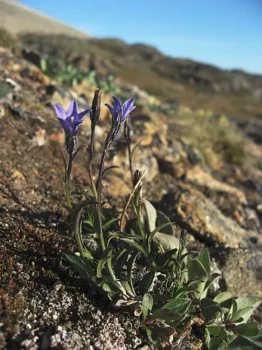
Arctic Bellflower: A Hardy Native Gem for Cold Climate Gardens
If you’re looking for a tough, beautiful native plant that can handle harsh conditions while adding delicate charm to your garden, meet the arctic bellflower (Campanula uniflora). This plucky little perennial proves that some of the most stunning flowers come in small packages, bringing alpine elegance to gardens across northern North America.
What Makes Arctic Bellflower Special
Arctic bellflower is a native North American wildflower that calls some pretty extreme places home. This hardy perennial forb thrives in the arctic and alpine regions of Alaska, Canada (including Alberta, British Columbia, Manitoba, Quebec, Yukon, Northwest Territories, Nunavut, and Labrador), Greenland, and high-elevation areas of the western United States including Colorado, Idaho, Montana, New Mexico, Utah, and Wyoming.
- Species observed
- No observations
As a true alpine survivor, this plant has evolved to handle conditions that would make other flowers throw in the trowel. Its native range spans some of the most challenging growing environments on the continent, from arctic tundra to high mountain meadows.
Garden Appeal and Design Role
Don’t let its small stature fool you – arctic bellflower packs serious visual punch. The plant produces charming bell-shaped flowers in shades of blue to purple, typically appearing as solitary blooms on short stems. These delicate flowers create a striking contrast against the plant’s small, neat foliage.
In garden design, arctic bellflower excels as:
- Ground cover in rock gardens and alpine settings
- Accent plant for small spaces and containers
- Natural addition to xeriscapes and drought-tolerant gardens
- Perfect fit for naturalized mountain landscapes
Perfect Garden Matches
Arctic bellflower absolutely shines in specialized garden settings. If you’re creating a rock garden, alpine garden, or trying to establish a naturalized mountain landscape, this native beauty should be on your short list. It’s also an excellent choice for xeriscaping projects, as it naturally adapted to survive with minimal water once established.
Growing Conditions and Care
Here’s where arctic bellflower really shows its worth – it’s remarkably easy to grow if you match its basic needs. This alpine native prefers:
- Light: Full sun to partial shade
- Soil: Well-draining rocky or sandy soils (drainage is crucial!)
- Water: Low to moderate water needs; drought tolerant once established
- Temperature: Cool conditions; thrives in USDA hardiness zones 2-6
The plant’s wetland status varies by region – in Alaska, it’s considered an upland species that rarely occurs in wet areas, while in western regions, it can adapt to both wetland and non-wetland conditions. This flexibility makes it surprisingly adaptable to different garden situations.
Planting and Care Tips
Getting arctic bellflower established in your garden is straightforward if you follow these key tips:
- Timing: Plant in spring after the last frost
- Drainage is key: Ensure excellent drainage – this plant absolutely cannot tolerate soggy feet
- Go easy on fertilizer: Minimal fertilization needed; too much can actually harm the plant
- Be patient: Once established, it’s very drought tolerant and low-maintenance
- Location matters: Choose a spot that mimics its natural alpine habitat
Wildlife and Pollinator Benefits
Arctic bellflower isn’t just pretty – it’s also an valuable contributor to local ecosystems. The flowers attract small native bees, flies, and butterflies, providing an important nectar source in harsh alpine environments where food sources can be scarce. By planting this native species, you’re supporting local pollinators while adding authentic regional character to your landscape.
Is Arctic Bellflower Right for Your Garden?
Arctic bellflower is an excellent choice for gardeners in northern climates who want to work with native plants and create sustainable, low-maintenance landscapes. It’s particularly perfect if you’re dealing with challenging growing conditions like poor soil, limited water, or extreme temperature swings.
However, it may not be the best fit if you’re looking for a large, showy specimen plant or if you garden in warmer southern climates. This is a plant that truly loves cool conditions and may struggle in hot, humid environments.
For northern gardeners seeking a hardy, beautiful, and ecologically beneficial native plant, arctic bellflower offers the perfect combination of toughness and charm. It’s proof that some of nature’s most resilient plants can also be its most beautiful.