Arctic Eyebright: A Charming Native Annual for Cool Climate Gardens
If you’re looking for a delicate, charming native plant that thrives in cooler climates, arctic eyebright (Euphrasia subarctica) might just be the perfect addition to your garden. This petite annual forb brings a touch of wild beauty to landscapes while supporting local ecosystems.
Meet Arctic Eyebright
Arctic eyebright is a native North American plant that calls some pretty impressive places home. This hardy little annual is naturally found across Alaska, western and central Canada (including Alberta, British Columbia, Manitoba, Saskatchewan, Yukon, and Northwest Territories), and even dips down into Montana and Oregon in the lower 48 states.
- Species observed
- No observations
As its common name suggests, this plant is perfectly at home in arctic and subarctic conditions, making it an excellent choice for gardeners in northern regions who want to embrace their local flora.
What Makes Arctic Eyebright Special?
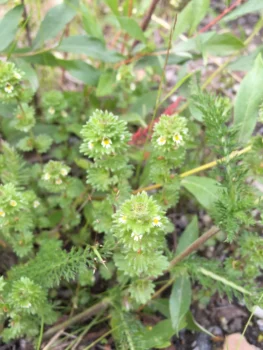
Arctic eyebright is a charming forb – that’s garden-speak for a soft-stemmed, herbaceous plant without woody growth. As an annual, it completes its entire life cycle in one growing season, but don’t let that fool you into thinking it’s not worth planting. This little beauty packs a lot of appeal into its short but sweet life.
The plant produces delicate small white flowers adorned with purple markings that create an almost painted appearance. These dainty blooms have a cottage garden feel that adds softness to any landscape design.
Where Arctic Eyebright Shines in Your Garden
Arctic eyebright works wonderfully in several garden settings:
- Rock gardens where its delicate texture provides contrast to harder landscape elements
- Alpine gardens that mimic its natural mountain habitat
- Naturalized meadow areas for a wild, unstructured look
- Native plant gardens focused on regional flora
- Ground cover in areas that need a soft, low-growing plant
Growing Conditions and Care
One of the best things about arctic eyebright is that it’s relatively low-maintenance once you understand its preferences. This plant thrives in:
- Cool, moist conditions (it’s not a fan of hot, dry summers)
- Well-draining soil that doesn’t stay waterlogged
- Full sun to partial shade locations
- USDA hardiness zones 1-6, making it perfect for northern gardeners
Planting and Care Tips
Getting arctic eyebright established in your garden is straightforward:
- Direct seed in fall or early spring when soil is cool and moist
- Scatter seeds lightly over prepared soil – no need to bury them deeply
- Keep the seeded area consistently moist until germination occurs
- Once established, the plant requires minimal care
- Allow some plants to go to seed if you want them to return next year
Benefits for Wildlife and Pollinators
Arctic eyebright isn’t just pretty – it’s also functional in the ecosystem. The small flowers attract various pollinators, particularly smaller bees and flies that appreciate the accessible flower structure. By including this native plant in your garden, you’re supporting local wildlife and contributing to regional biodiversity.
Should You Grow Arctic Eyebright?
If you garden in zones 1-6 and appreciate delicate, naturalistic plantings, arctic eyebright could be a wonderful addition to your landscape. It’s especially appealing if you:
- Want to support native plant conservation
- Enjoy low-maintenance annuals that self-seed
- Are creating habitat for small pollinators
- Love the cottage garden aesthetic
- Garden in cooler climates where many plants struggle
Keep in mind that this isn’t the plant for hot, humid climates or gardeners looking for bold, showy displays. Arctic eyebright is all about subtle charm and ecological benefits rather than dramatic garden impact.
For northern gardeners seeking to embrace their region’s native flora, arctic eyebright offers a perfect combination of beauty, ecological value, and easy care. Give this delightful little annual a try, and you might just find yourself enchanted by its quiet elegance.