Arctic Rim Lichen: A Hardy Northern Beauty You Can’t Grow (But Should Know!)
If you’ve ever wondered about those crusty, whitish patches you see on rocks during hikes in northern regions, you might have encountered the arctic rim lichen (Lecanora circumborealis). This fascinating organism isn’t something you can add to your garden cart, but it’s definitely worth getting to know!
What Exactly Is Arctic Rim Lichen?
Arctic rim lichen is a composite organism made up of a fungus and algae living together in perfect harmony. This partnership, called symbiosis, allows them to survive in some pretty harsh conditions where neither could make it alone. The fungus provides structure and protection, while the algae produces food through photosynthesis.
You might also see this species listed under its synonym Lecanora coilocarpa in older field guides, but Lecanora circumborealis is the accepted scientific name.
Where You’ll Find This Northern Native
As its common name suggests, arctic rim lichen is native to North America’s northern regions. It thrives in the circumboreal zone, which means you’ll find it scattered across northern Canada, Alaska, and similar cold climates around the northern hemisphere. This lichen has adapted to some of the planet’s most challenging environments.
Spotting Arctic Rim Lichen in the Wild
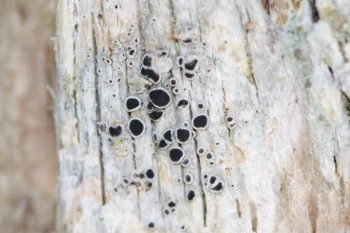
Arctic rim lichen forms crusty, whitish to pale gray patches on rock surfaces, particularly on siliceous (quartz-containing) rocks. Here’s what to look for:
- Crusty, flat growth that seems painted onto rock surfaces
- Whitish to pale gray coloration
- Small, disc-like fruiting bodies called apothecia that may appear darker
- Typically found in areas with clean air and minimal pollution
Why Arctic Rim Lichen Matters (Even If You Can’t Plant It)
While you can’t cultivate arctic rim lichen in your garden, this species plays important ecological roles:
- Serves as an indicator of air quality – lichens are sensitive to pollution
- Contributes to soil formation by slowly breaking down rock surfaces
- Provides food for wildlife, particularly caribou and reindeer in northern regions
- Adds to biodiversity in harsh northern ecosystems
The Reality Check: You Can’t Grow This One
Here’s the thing about lichens – they’re not plants you can propagate or cultivate. Arctic rim lichen grows naturally on rocks in very specific conditions that include cold temperatures, clean air, and the right type of rock substrate. Attempting to grow lichens typically ends in disappointment because they require such precise environmental conditions.
Instead of trying to bring arctic rim lichen to your garden, consider appreciating it during outdoor adventures in northern regions. Its presence actually tells you something wonderful about the local environment – that the air is clean and the ecosystem is healthy.
Appreciating Nature’s Partnerships
Arctic rim lichen reminds us that some of nature’s most successful organisms are actually partnerships. This hardy lichen has mastered the art of survival in extreme conditions through cooperation – a pretty cool lesson for us gardeners who are always trying to create harmonious plant communities in our own spaces.
So while arctic rim lichen won’t be gracing your garden beds anytime soon, it’s definitely worth knowing about this remarkable northern native. Next time you’re exploring rocky terrain in cold climates, take a moment to appreciate these crusty collaborators quietly doing their thing on the rocks around you!