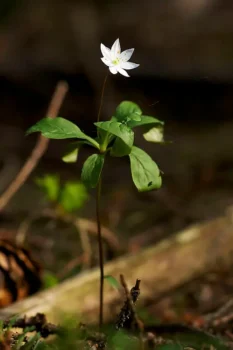
Arctic Starflower: A Delicate Native Ground Cover for Cool Climate Gardens
If you’re searching for a charming native ground cover that brings a touch of woodland magic to your garden, the arctic starflower might just be the perfect fit. This delicate perennial offers star-shaped blooms and graceful foliage that can transform shady corners into enchanting spaces.
What is Arctic Starflower?
Arctic starflower (Trientalis europaea) is a native perennial forb that belongs to a special group of plants perfectly adapted to cooler climates. As a forb, it’s a non-woody plant that returns year after year, spreading gently through underground stems to create lovely colonies of delicate foliage and flowers.
Where Does Arctic Starflower Grow Naturally?
This remarkable native plant has an impressive natural range across northern regions. In North America, you’ll find arctic starflower growing wild in Alaska, Alberta, British Columbia, Saskatchewan, Yukon, Northwest Territories, and extending south into California, Idaho, Oregon, and Washington. It’s also native to Greenland and parts of northern Europe, showcasing its adaptability to diverse but consistently cool climates.
- Species observed
- No observations
Why Consider Arctic Starflower for Your Garden?
There are several compelling reasons to welcome this native beauty into your landscape:
- Authentic native appeal: Supporting local ecosystems by choosing plants that naturally belong in your region
- Low maintenance: Once established, arctic starflower requires minimal care and attention
- Pollinator friendly: The star-shaped white flowers attract beneficial insects and small pollinators
- Unique aesthetic: Delicate flowers with 5-9 petals create a distinctive star pattern that’s both elegant and whimsical
- Versatile ground cover: Spreads naturally to fill in woodland areas without becoming aggressive
Perfect Garden Settings
Arctic starflower thrives in specific garden environments that mirror its natural woodland habitat:
- Woodland gardens and shade gardens
- Naturalized areas where you want a wild, untouched appearance
- Rock gardens in cooler climates
- Under tree canopies where other plants struggle
- Areas that remain consistently cool and moist
Growing Conditions and Care
Success with arctic starflower depends on recreating its preferred natural environment:
Climate Requirements: Hardy in USDA zones 2-7, this plant genuinely prefers cooler conditions and may struggle in hot, humid climates.
Light Needs: Partial to full shade works best. Too much direct sunlight can stress the plant, especially in warmer areas of its range.
Soil Preferences: Moist, well-draining, acidic soil provides the ideal growing medium. The plant appreciates consistent moisture but won’t tolerate waterlogged conditions.
Maintenance: This is wonderfully low-maintenance once established. Avoid disturbing the soil around established colonies, as the plant prefers stable conditions.
Water Tolerance and Wetland Characteristics
Arctic starflower shows interesting flexibility when it comes to moisture levels. In Alaska, it typically grows in upland areas but can occasionally tolerate wetter conditions. In western regions, including the Arid West and Western Mountains, it’s equally comfortable in both wetland and non-wetland environments, making it quite adaptable to varying moisture levels in your garden.
Planting Tips for Success
When introducing arctic starflower to your garden, keep these guidelines in mind:
- Choose a consistently cool, shaded location
- Prepare acidic, organic-rich soil with good drainage
- Plant in spring or early fall when temperatures are mild
- Space plants appropriately to allow for natural spreading
- Water regularly during the first growing season to establish strong roots
- Avoid disturbing established plants unnecessarily
Is Arctic Starflower Right for Your Garden?
Arctic starflower is an excellent choice if you live in USDA zones 2-7 and want to create authentic native plant communities in shaded areas. It’s particularly valuable for gardeners interested in supporting local wildlife and creating low-maintenance woodland gardens.
However, this plant may not be the best fit if you’re gardening in hot, sunny conditions or in zones warmer than zone 7. In these situations, consider researching native alternatives that are better suited to your specific climate and conditions.
With its delicate beauty, native credentials, and easy-care nature, arctic starflower offers a wonderful way to bring a piece of wild northern woodland into your own backyard sanctuary.