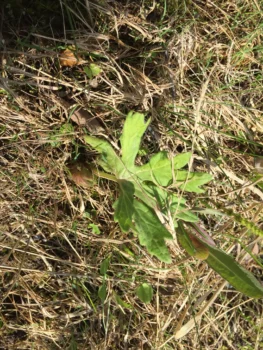
Arctic Sweet Coltsfoot: A Hardy Native for Cool, Moist Gardens
If you’re looking for a tough, low-maintenance ground cover that thrives in challenging conditions, arctic sweet coltsfoot (Petasites frigidus) might just be your new best friend. This hardy perennial native has adapted to some of North America’s most demanding climates, making it a reliable choice for gardeners in cooler regions.
What Is Arctic Sweet Coltsfoot?
Arctic sweet coltsfoot is a perennial forb – basically a non-woody plant that comes back year after year. Don’t let the simple description fool you, though. This resilient native has earned its place in the landscape through sheer toughness and dependability. As its name suggests, it’s built for cold climates and won’t bat an eye at harsh winters that would send other plants packing.
Where Does It Call Home?
This cold-loving native has one of the most impressive ranges you’ll find in North American flora. Arctic sweet coltsfoot is native throughout Alaska, Canada, and extends south into many of the northern United States. You’ll find it growing naturally across an extensive territory including Alberta, British Columbia, Manitoba, and extending south through states like Montana, Minnesota, Maine, and even as far south as Colorado and California in suitable microclimates.
- Species observed
- No observations
Why Consider Arctic Sweet Coltsfoot for Your Garden?
Arctic sweet coltsfoot offers several compelling reasons to earn a spot in the right garden:
- Extreme cold tolerance: Hardy in USDA zones 1-6, this plant laughs at temperatures that would devastate less hardy species
- Early season interest: Small white flowers appear in early spring before the leaves emerge, providing nectar for early pollinators when little else is blooming
- Attractive foliage: Large, rounded to heart-shaped leaves create nice ground coverage throughout the growing season
- Low maintenance: Once established, it requires minimal care and spreads naturally via underground rhizomes
- Native wildlife support: As a native plant, it provides food and habitat for local insects and other wildlife
Perfect Garden Settings
Arctic sweet coltsfoot isn’t for every garden, but it’s perfect for specific situations:
- Woodland gardens with moist, shaded conditions
- Rain gardens and bioswales
- Native plant gardens emphasizing regional flora
- Naturalized landscapes where you want low-maintenance ground cover
- Areas with consistent moisture that other plants might find too wet
Growing Conditions and Care
Success with arctic sweet coltsfoot comes down to understanding its preferences:
Moisture: This plant loves consistent moisture and actually prefers conditions that would be too wet for many garden plants. Its facultative wetland status across most regions means it naturally gravitates toward moist to wet soils.
Light: Partial to full shade works best. While it can tolerate some sun in cooler climates, it generally prefers the protection of shade, especially in warmer parts of its range.
Soil: Not particularly fussy about soil type as long as moisture needs are met. It adapts to various soil conditions from sandy to clayey.
Temperature: This is where arctic sweet coltsfoot truly shines. It’s adapted to cold climates and actually needs those chilly winters to perform well.
Planting and Establishment
Getting arctic sweet coltsfoot established is refreshingly straightforward:
- Plant in early spring or fall when temperatures are cool
- Ensure the planting site has reliable moisture – this isn’t a plant for dry conditions
- Space plants appropriately, keeping in mind they’ll spread via rhizomes over time
- Water regularly during the first growing season to help establishment
- Once established, minimal intervention is needed
Is This Plant Right for You?
Arctic sweet coltsfoot isn’t the right choice for every gardener or every situation. Consider it if you:
- Garden in USDA zones 1-6
- Have consistently moist to wet areas that need ground cover
- Want low-maintenance native plants
- Are creating wildlife-friendly landscapes
- Need plants for shaded, woodland-type conditions
Skip this one if you’re gardening in hot climates, have dry soil conditions, or prefer high-maintenance ornamental plants with flashy flowers.
Supporting Native Ecosystems
By choosing arctic sweet coltsfoot, you’re supporting native ecosystems and providing resources for local wildlife. Its early spring flowers offer crucial nectar sources when few other plants are blooming, and as a native species, it fits naturally into local food webs and ecological relationships.
Arctic sweet coltsfoot may not win any beauty contests, but for the right garden in the right climate, it’s a dependable, ecologically valuable choice that asks for little and gives back plenty. Sometimes the best garden plants are the ones that simply do their job well, year after year, without drama or fuss.