Arctic Willow: The Ultimate Cold-Hardy Ground Cover for Northern Gardens
If you’re gardening in the far north or dealing with challenging conditions that would make most plants throw in the trowel, let me introduce you to a true survivor: the arctic willow (Salix arctica). This remarkable native shrub laughs in the face of harsh winters and poor soils, making it a fantastic choice for gardeners who want beauty without the fuss.
What Makes Arctic Willow Special?
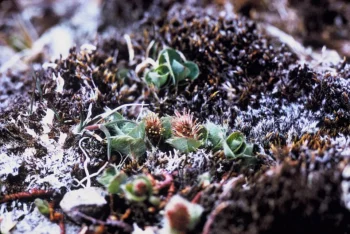
Arctic willow is a low-growing, perennial shrub that forms dense mats rather than towering skyward. Think of it as nature’s own living carpet – it typically stays under 2 feet tall but can spread several feet wide, creating an attractive ground-hugging presence in your landscape. Its small, oval leaves have a distinctive appearance, and in spring, it produces charming catkins that add early-season interest when most other plants are still sleeping.
Where Does It Call Home?
This hardy native has one of the most impressive natural ranges you’ll find. Arctic willow is native throughout Alaska and Canada, including Alberta, British Columbia, Manitoba, Ontario, Quebec, Yukon, Northwest Territories, Nunavut, Newfoundland, and Labrador. It also makes its home in Greenland and extends south into several northern U.S. states including Idaho, Montana, Oregon, Vermont, and Washington.
- Species observed
- No observations
Why Your Garden Will Love Arctic Willow
Here’s where arctic willow really shines – it’s practically bulletproof once established. This native beauty thrives in USDA hardiness zones 1-6, making it one of the most cold-tolerant shrubs you can grow. But don’t let its tough nature fool you into thinking it’s not attractive.
The aesthetic appeal lies in its unique growth form and seasonal changes. The dense, mat-forming habit creates excellent texture contrast against taller plants, while the early spring catkins provide crucial nectar and pollen for bees and other pollinators when few other food sources are available.
Perfect Garden Roles
Arctic willow excels in several landscape situations:
- Rock gardens and alpine plantings where its low profile won’t overwhelm delicate companions
- Erosion control on slopes where its spreading root system helps stabilize soil
- Naturalized areas where you want low-maintenance native ground cover
- Challenging sites with poor soil where other plants struggle
Growing Conditions That Make It Happy
One of arctic willow’s greatest strengths is its adaptability. It grows well in full sun to partial shade and tolerates a wide range of soil conditions, from moist to quite dry once established. According to wetland classifications, it can handle both wetland and upland conditions depending on your region, making it incredibly versatile.
The plant performs best in well-draining soil but isn’t picky about soil quality – it actually thrives in the kind of poor, rocky soil that sends other plants running for cover.
Planting and Care Made Simple
Here’s the best news: arctic willow is refreshingly low-maintenance. Once you get it established, it pretty much takes care of itself. Here are the key points for success:
- Plant in early spring or fall when temperatures are moderate
- Space plants 2-3 feet apart if you want them to form a continuous mat
- Water regularly the first year to help establish roots, then reduce watering
- Minimal fertilization needed – this plant actually prefers lean conditions
- Pruning is rarely necessary, but you can trim it lightly in early spring if desired
Wildlife and Pollinator Benefits
Arctic willow punches above its weight when it comes to supporting wildlife. The early spring catkins are absolutely crucial for pollinators emerging from winter, providing both nectar and pollen when little else is available. This makes it an invaluable addition to pollinator-friendly gardens, especially in northern regions where the growing season is short.
Is Arctic Willow Right for Your Garden?
Arctic willow is an excellent choice if you’re dealing with challenging growing conditions, want a low-maintenance native ground cover, or are creating habitat for pollinators in zones 1-6. It’s particularly valuable for gardeners in northern climates who struggle to find attractive, reliable plants that can handle extreme cold.
However, if you’re gardening in warmer zones or prefer more colorful, showy plants, you might want to consider other native options better suited to your climate and aesthetic preferences.
With its combination of extreme hardiness, low maintenance requirements, and ecological benefits, arctic willow proves that sometimes the toughest plants make the most rewarding garden companions. Give this northern native a try – your local pollinators will thank you, and you’ll have one less thing to worry about in your garden.