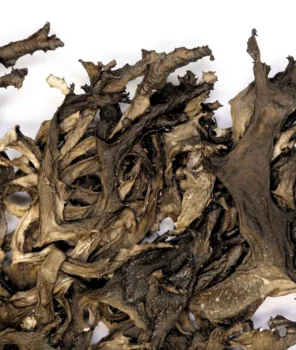
Arctocetraria nigricascens: The Arctic Lichen You Can’t Plant (But Should Appreciate)
If you’ve stumbled across the name Arctocetraria nigricascens while researching plants for your garden, you might be surprised to learn that this isn’t actually a plant you can pop into your shopping cart. This fascinating organism is a lichen – a unique partnership between fungi and algae that creates something entirely different from your typical garden variety.
What Exactly Is Arctocetraria nigricascens?
Arctocetraria nigricascens is a fruticose (shrub-like) lichen native to the harsh Arctic and subarctic regions of North America. You might also see it listed under its synonyms: Cetraria elenkinii, Cetraria nigricascens, or Cetraria siberica in older botanical references. This hardy little organism thrives in some of the most challenging environments on Earth, primarily across Alaska and northern Canada.
Unlike plants that you’re familiar with, lichens are actually a symbiotic relationship between fungi and photosynthetic partners (usually algae or cyanobacteria). The fungus provides structure and protection, while the algae produce food through photosynthesis. It’s nature’s ultimate partnership!
Identifying This Arctic Wonder
Arctocetraria nigricascens has distinctive characteristics that set it apart from other lichens:
- Forms small, shrub-like structures that grow upright from the substrate
- Features dark, blackish edges contrasting with paler centers
- Typically found growing on soil, rocks, or other natural surfaces
- Extremely cold-hardy, thriving in USDA zones 1-3
Is It Beneficial to Have Around?
While you can’t plant Arctocetraria nigricascens in your garden (more on that below), lichens like this one are incredibly beneficial to ecosystems:
- They serve as natural air quality indicators – their presence suggests clean, unpolluted air
- Provide food sources for wildlife, particularly caribou and other Arctic animals
- Help with soil formation and erosion control in harsh environments
- Contribute to biodiversity in extreme climates where few other organisms can survive
Why You Can’t Grow It (And That’s Okay!)
Here’s the thing about lichens – they’re not something you can simply plant and water. Arctocetraria nigricascens requires:
- Extremely cold temperatures and specific Arctic conditions
- Clean, unpolluted air (they’re very sensitive to air quality)
- The right combination of fungal and algal partners
- Natural substrates and environmental conditions that can’t be replicated in gardens
Trying to cultivate this lichen would be like trying to recreate the Arctic tundra in your backyard – theoretically possible but practically impossible for most gardeners.
Appreciating Nature’s Partnerships
While Arctocetraria nigricascens might not be destined for your garden beds, it’s a fascinating example of how life finds a way to thrive in the most challenging conditions. If you’re ever lucky enough to visit Arctic regions where this lichen grows naturally, take a moment to appreciate these small but mighty organisms that have mastered survival in one of Earth’s most extreme environments.
For gardeners interested in supporting native ecosystems, focus on native flowering plants, shrubs, and trees appropriate for your region. These will provide the pollinator support and wildlife benefits that your local ecosystem needs, while leaving the Arctic specialists like Arctocetraria nigricascens to do their important work in their natural habitat.