Arctoparmelia Lichen: The Fascinating Garden Visitor You Can’t Plant
Have you ever noticed those peculiar, leafy-looking patches growing on rocks or tree bark in your garden and wondered what they were? You might be looking at arctoparmelia lichen (Arctoparmelia incurva), a fascinating organism that’s neither plant nor animal, but something wonderfully unique!
What Exactly Is Arctoparmelia Lichen?
Here’s where things get interesting: arctoparmelia lichen isn’t actually a single organism at all. It’s a remarkable partnership between a fungus and algae (or sometimes cyanobacteria) living together in perfect harmony. This collaboration, called symbiosis, creates the lichen we see – a completely self-sufficient little ecosystem that can survive in places where neither partner could live alone.
Arctoparmelia incurva goes by a few scientific aliases, including Parmelia incurva and Xanthoparmelia incurva, but don’t let the fancy names intimidate you. This native North American species is actually quite common once you know what to look for.
Where You’ll Find This Native Wonder
This lichen is a true North American native, making its home across various regions of the continent. You’ll typically spot it growing on rocks, tree bark, or sometimes even directly on soil in natural areas.
Identifying Arctoparmelia Lichen
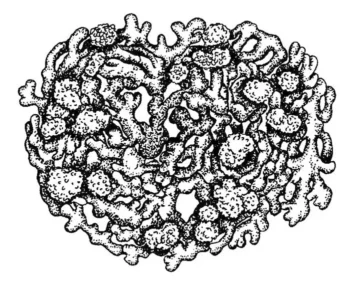
Spotting arctoparmelia lichen is like finding nature’s artwork hiding in plain sight. Here’s what to look for:
- Grayish-green to yellowish-green color that might remind you of sea lettuce
- Foliose (leafy) growth pattern with distinct lobes
- Flat, spreading appearance that hugs its substrate
- Typically found growing on rocks, tree bark, or bare soil
- Often forms circular or irregular patches
Is Arctoparmelia Lichen Good for Your Garden?
While you can’t exactly plant arctoparmelia lichen (trust us, we’ll explain why in a moment), having it appear naturally in your garden is actually a wonderful sign! Lichens are excellent indicators of air quality – they’re like nature’s pollution detectors. If you spot them growing in your outdoor space, it’s a good sign that your air is relatively clean.
Lichens also play important ecological roles:
- They help break down rock surfaces, contributing to soil formation over time
- They provide shelter for tiny creatures like insects and spiders
- They can help stabilize soil in some environments
- They add visual interest and natural beauty to garden spaces
Why You Can’t Grow Arctoparmelia Lichen (And Why That’s Okay)
Here’s the thing about lichens that makes them so special and so impossible to cultivate: they’re incredibly picky about their living conditions. The fungus and algae partners need just the right balance of moisture, light, air quality, and substrate to thrive. Even slight changes in these conditions can cause the partnership to fail.
Unlike traditional garden plants, you can’t:
- Buy lichen seeds or starts at a nursery
- Plant them in prepared soil
- Water or fertilize them
- Control their growth or spread
Instead, lichens like arctoparmelia simply appear when conditions are right – which makes discovering them in your garden feel like finding a hidden treasure!
Appreciating the Lichens You Have
If you’re lucky enough to have arctoparmelia lichen growing naturally in your garden, the best thing you can do is simply appreciate it. Avoid disturbing the areas where it grows, and resist the urge to clean it off rocks or trees. Remember, its presence indicates a healthy environment!
Consider creating a small natural area in your garden where lichens and other native organisms can establish themselves. This might include leaving some rocks undisturbed, maintaining areas with natural bark surfaces, or simply allowing some wild spaces to exist alongside your cultivated plants.
The Bottom Line
Arctoparmelia lichen represents one of nature’s most successful partnerships, quietly doing its ecological work while adding subtle beauty to natural landscapes. While you can’t plant it in your garden like a typical flower or shrub, you can create conditions that welcome it and other native organisms by maintaining clean air, avoiding harsh chemicals, and preserving natural surfaces where lichens can establish themselves.
So the next time you spot those leafy, grayish-green patches in your outdoor space, take a moment to appreciate the remarkable biology at work – and consider yourself lucky to witness one of nature’s most enduring collaborations right in your own backyard!