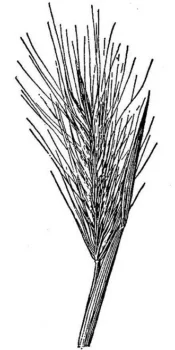
Arizona Barley: A Hardy Native Grass for Southwestern Gardens
If you’re looking to add authentic southwestern character to your native plant garden, Arizona barley (Hordeum arizonicum) might just be the unassuming grass you’ve been searching for. This humble annual doesn’t demand attention with showy flowers, but it offers something equally valuable: genuine regional heritage and practical benefits for water-wise landscaping.
Meet Arizona Barley
Arizona barley is a true native of the American Southwest, naturally occurring across Arizona, California, and New Mexico. As an annual grass, it completes its entire life cycle in one growing season, sprouting, growing, producing seeds, and dying back each year. Don’t let its modest appearance fool you – this grass plays an important ecological role in its native habitats.
- Species observed
- No observations
You might also encounter this plant listed under its scientific synonym, Critesion arizonicum, in older botanical references. Both names refer to the same hardy little grass that has adapted perfectly to southwestern growing conditions.
Why Consider Arizona Barley for Your Garden?
Arizona barley shines in specific gardening situations, particularly if you’re passionate about native plant gardening or working on habitat restoration projects. Here’s what makes it special:
- Authentically native to the Southwest
- Excellent for erosion control on slopes
- Thrives in challenging, dry conditions
- Perfect for naturalized areas and meadow gardens
- Requires minimal water once established
However, it’s important to note that Arizona barley has a conservation status of S2S4, indicating it may be somewhat rare in parts of its range. If you decide to grow this grass, make sure to source seeds or plants from reputable native plant suppliers who collect responsibly.
Growing Conditions and Care
Arizona barley is remarkably easy to grow once you understand its preferences. This grass thrives in USDA hardiness zones 8-10, which perfectly matches its native southwestern range.
Soil Requirements: Well-drained soils are essential. Arizona barley can handle poor, rocky, or sandy soils that would challenge many other plants. Avoid areas that stay wet, as this grass prefers drier conditions.
Sun and Water: Full sun is best, though it can tolerate some light shade. Once established, Arizona barley is quite drought-tolerant, making it ideal for xeriscaping projects. During its growing season, occasional deep watering will help, but avoid overwatering.
Wetland Status: Interestingly, Arizona barley is classified as facultative in wetland status, meaning it can grow in both wet and dry conditions. However, it typically performs better in drier settings in garden situations.
Planting and Establishment
The best time to plant Arizona barley is in the fall, allowing it to take advantage of cooler temperatures and any winter moisture. Here are some tips for success:
- Direct seed in fall for spring growth
- Scatter seeds over prepared soil and lightly rake in
- Keep soil lightly moist until germination
- Thin seedlings if they become overcrowded
As an annual, Arizona barley will self-seed readily if allowed to complete its life cycle, potentially returning year after year in suitable locations.
Landscape Uses and Design Ideas
While Arizona barley won’t be the star of your flower border, it excels in supporting roles:
- Native meadows: Mix with other native grasses and wildflowers
- Erosion control: Plant on slopes or disturbed areas
- Natural areas: Perfect for letting parts of your landscape go wild
- Restoration projects: Ideal for habitat restoration work
Wildlife and Ecological Benefits
As a native grass, Arizona barley provides food and habitat for local wildlife. Small birds may eat the seeds, and the grass provides shelter for beneficial insects and small creatures. While it’s wind-pollinated rather than attracting pollinators with showy flowers, it still plays an important role in supporting local ecosystems.
Is Arizona Barley Right for Your Garden?
Arizona barley is an excellent choice if you’re creating a low-maintenance, water-wise landscape that celebrates regional plant communities. It’s particularly valuable for gardeners interested in habitat restoration or those working with challenging, dry sites where other plants might struggle.
However, if you’re looking for dramatic ornamental impact or a grass for high-traffic areas, you might want to consider other native options alongside or instead of Arizona barley.
Remember to source this grass responsibly due to its conservation status, and you’ll be adding a piece of authentic southwestern heritage to your landscape while supporting local ecosystems.