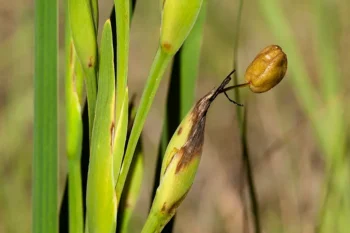
Arizona Blue-Eyed Grass: A Delicate Desert Native Worth Growing
If you’re looking for a charming native plant that brings subtle beauty to your southwestern garden without demanding much attention, Arizona blue-eyed grass might just be your new favorite discovery. Despite its name, this lovely perennial isn’t actually a grass at all – it’s a member of the iris family that just happens to sport slender, grass-like leaves.
What Makes Arizona Blue-Eyed Grass Special?
Scientifically known as Sisyrinchium arizonicum, this delicate native forb produces small but stunning blue flowers with bright yellow centers that seem to wink at you from the garden. The plant typically reaches 6 to 18 inches in height, creating a low carpet of narrow, blade-like foliage topped with these cheerful blooms during its flowering season.
As a true southwestern native, Arizona blue-eyed grass naturally occurs in Arizona and New Mexico, where it has adapted perfectly to the region’s challenging growing conditions.
- Species observed
- No observations
Why Plant Arizona Blue-Eyed Grass in Your Garden?
There are several compelling reasons to consider adding this native beauty to your landscape:
- Water-wise choice: Once established, it’s remarkably drought tolerant
- Pollinator magnet: The flowers attract native bees and butterflies
- Low maintenance: This perennial practically takes care of itself
- Native plant benefits: Supports local ecosystems and wildlife
- Unique texture: Adds fine, grassy texture to contrast with broader-leafed plants
A Word About Conservation
Arizona blue-eyed grass carries a conservation status that suggests it may be somewhat uncommon in parts of its range. If you’re interested in growing this plant, make sure to source it responsibly from reputable native plant nurseries or seed suppliers who collect ethically. Never collect plants or seeds from wild populations.
Perfect Garden Settings
This versatile native shines in several garden styles:
- Rock gardens: Its delicate form complements larger stones beautifully
- Desert landscapes: Perfect for xeriscaping and water-wise gardens
- Native plant gardens: An authentic choice for regional native plantings
- Ground cover: Creates subtle texture in naturalized areas
Growing Conditions and Care
Arizona blue-eyed grass thrives in USDA hardiness zones 7 through 10, making it suitable for much of the southwestern United States and similar climates.
Sunlight: Prefers full sun but tolerates partial shade
Soil: Well-draining soil is essential – this plant won’t tolerate soggy conditions
Water: Drought tolerant once established, but appreciates occasional deep watering during extreme dry spells
Maintenance: Minimal care required once established
Planting and Establishment Tips
Getting Arizona blue-eyed grass established in your garden is relatively straightforward:
- Plant in fall or early spring for best establishment
- Ensure excellent drainage – amend heavy soils with sand or gravel if needed
- Space plants about 6-12 inches apart
- Water regularly during the first growing season to help establish roots
- Once established, reduce watering frequency
The Bottom Line
Arizona blue-eyed grass offers southwestern gardeners a wonderful opportunity to grow a true regional native that’s both beautiful and beneficial. Its delicate flowers, grass-like foliage, and easy-care nature make it an excellent choice for water-wise gardens and native plant enthusiasts. Just remember to source your plants or seeds responsibly to help protect wild populations of this charming desert native.
Whether you’re creating a rock garden, establishing a native plant landscape, or simply want to add some authentic southwestern character to your outdoor space, Arizona blue-eyed grass deserves a spot on your planting list.