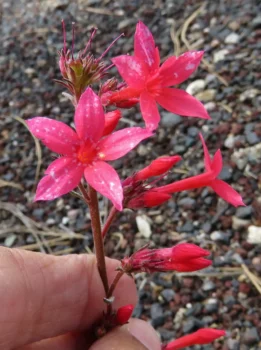
Arizona Ipomopsis: A Hidden Gem for Southwestern Gardens
If you’re looking to add some serious hummingbird magnetism to your garden while supporting native wildlife, let me introduce you to Arizona ipomopsis (Ipomopsis arizonica). This southwestern beauty might not be as well-known as some of its flashier cousins, but it’s definitely worth a spot in your native plant collection.
What is Arizona Ipomopsis?
Arizona ipomopsis is a native herbaceous perennial (sometimes behaving as a biennial) that calls the American Southwest home. As a forb—basically a non-woody flowering plant—it brings delicate beauty without the bulk of shrubs or trees. Don’t let its modest size fool you though; this little charmer packs a serious punch when it comes to attracting pollinators.
Where Does It Naturally Grow?
This native beauty has made itself at home across four southwestern states: Arizona, California, Nevada, and Utah. It’s perfectly adapted to the challenging conditions of the Southwest, making it an excellent choice for gardeners in these regions who want to work with nature rather than against it.
- Species observed
- No observations
Why You Might Want to Grow Arizona Ipomopsis
Here are some compelling reasons to consider adding this native plant to your landscape:
- Hummingbird heaven: The tubular red to orange flowers are practically designed for hummingbird beaks
- Drought champion: Once established, it thrives with minimal water—perfect for water-wise gardening
- Native plant benefits: Supports local ecosystems and wildlife
- Low maintenance: Minimal care requirements once established
- Extended bloom time: Flowers from summer through fall, providing long-lasting color
- Butterfly friendly: Also attracts various butterfly species
Important Conservation Note
Before you rush out to plant Arizona ipomopsis, there’s something important to know. This species has a conservation status that suggests it may be somewhat uncommon in parts of its range. If you decide to grow it (and I hope you do!), please make sure you’re getting your plants or seeds from reputable nurseries that source responsibly. Avoid collecting from wild populations—let’s keep those thriving for future generations.
Perfect Garden Settings
Arizona ipomopsis shines in several garden styles:
- Xeriscape gardens: Its drought tolerance makes it perfect for water-wise landscapes
- Native plant gardens: A natural fit among other southwestern natives
- Rock gardens: Thrives in well-drained, rocky conditions
- Pollinator gardens: Essential for attracting hummingbirds and butterflies
- Desert-style landscapes: Adds color without requiring extra water
Growing Conditions and Care
The beauty of Arizona ipomopsis lies partly in its simplicity. Here’s what it needs to thrive:
- Sunlight: Full sun is best—this plant loves basking in southwestern sunshine
- Soil: Well-drained soil is crucial; it won’t tolerate soggy conditions
- Water: Drought tolerant once established, but appreciates occasional deep watering
- Climate: Hardy in USDA zones 4-8, perfectly suited to its native range
Planting and Establishment Tips
Getting Arizona ipomopsis established is relatively straightforward:
- Start from seed: This is often the most successful and economical method
- Fall planting: Plant seeds in fall for spring germination
- Minimal soil preparation: Avoid over-amending soil—it prefers lean conditions
- Be patient: As a biennial/perennial, it may not bloom until its second year
- Allow self-seeding: Let some flowers go to seed for natural propagation
The Bottom Line
Arizona ipomopsis might not be the showiest plant in your garden, but it offers something special: authentic southwestern beauty that supports local wildlife while requiring minimal resources. Its tubular flowers will have hummingbirds visiting regularly, and you’ll feel good knowing you’re supporting native plant conservation.
Just remember to source your plants responsibly, give it the well-drained conditions it craves, and then step back and enjoy the wildlife show. Sometimes the most rewarding plants are the ones that ask for very little but give back so much.