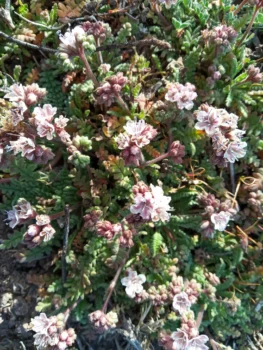
Arizona Phacelia: A Desert Gem for Your Native Garden
Meet Arizona phacelia (Phacelia arizonica), a charming native wildflower that’s perfectly adapted to life in the American Southwest. This delicate-looking perennial might seem unassuming at first glance, but it packs a powerful punch when it comes to supporting local ecosystems and adding subtle beauty to desert landscapes.
What Makes Arizona Phacelia Special?
Arizona phacelia is a true southwestern native, naturally occurring in Arizona and New Mexico. As a member of the borage family, it produces those characteristic coiled flower clusters that unfurl like tiny spiral staircases, revealing small bell-shaped blooms in shades of blue to purple. The plant’s soft, hairy leaves and stems give it a gentle, almost fuzzy appearance that contrasts beautifully with the harsh desert environment it calls home.
- Species observed
- No observations
This perennial forb (that’s botanist-speak for a non-woody flowering plant) typically grows as a low, spreading plant that fits perfectly into the understory of desert plant communities.
Why Your Garden Needs Arizona Phacelia
If you’re creating a native garden or xeriscape landscape in the Southwest, Arizona phacelia deserves serious consideration. Here’s why:
- Pollinator magnet: Those delicate flowers are absolute bee and butterfly favorites, providing crucial nectar for native pollinators
- Water-wise: Once established, this drought-tolerant beauty requires minimal supplemental watering
- Low maintenance: Perfect for gardeners who want native beauty without constant fussing
- Authentic desert character: Adds genuine southwestern charm to naturalized areas and wildflower gardens
- Conservation value: Growing this species helps support native plant diversity
Growing Arizona Phacelia Successfully
The good news is that Arizona phacelia wants to succeed in your garden – you just need to mimic its natural desert home.
Location and Soil
Plant your Arizona phacelia in full sun to partial shade in well-draining soil. Sandy or rocky soils are ideal, as this plant absolutely cannot tolerate wet feet. If your soil tends to hold water, consider creating a raised bed or adding plenty of coarse sand and gravel to improve drainage.
Planting and Establishment
Arizona phacelia is typically grown from seed, which should be sown in fall or early spring. The seeds need good soil contact but shouldn’t be buried deeply – just barely cover them with soil. Keep the seeded area lightly moist until germination occurs.
Watering and Care
During the first growing season, provide occasional deep watering to help establish the root system. Once established, this hardy perennial becomes quite drought-tolerant and should only need supplemental water during extended dry periods. Overwatering is more likely to harm the plant than underwatering.
Climate Considerations
Arizona phacelia thrives in USDA hardiness zones 7-10, making it suitable for most areas where winter temperatures don’t regularly drop below 0°F to 10°F.
A Word About Conservation
Arizona phacelia has a conservation status that suggests it may be vulnerable in parts of its range. If you decide to grow this lovely native, please source your seeds or plants from reputable native plant nurseries that use responsibly collected material. By growing Arizona phacelia in your garden, you’re actually helping to preserve this species and supporting the broader ecosystem it’s part of.
Perfect Plant Partnerships
Arizona phacelia plays well with other southwestern natives. Consider pairing it with desert marigold, fairy duster, or penstemon species for a colorful, low-water native garden that will have pollinators buzzing with excitement.
Whether you’re a seasoned desert gardener or just beginning to explore native plants, Arizona phacelia offers an authentic piece of southwestern natural heritage that’s both beautiful and beneficial. Give this modest but mighty wildflower a spot in your garden, and you’ll be rewarded with delicate blooms and the satisfaction of supporting native biodiversity.