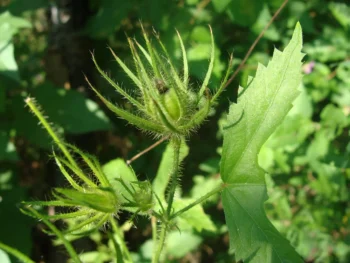
Arizona Rosemallow: A Rare Desert Native Worth Knowing About
If you’ve stumbled across the name Arizona rosemallow (Hibiscus biseptus) in your native plant research, you’ve discovered one of the Southwest’s most elusive botanical treasures. This perennial herb belongs to the beloved hibiscus family, but don’t expect to find it at your local nursery anytime soon.
What Makes Arizona Rosemallow Special?
Arizona rosemallow is a true native of the American Southwest, calling both Arizona and New Mexico home. As a perennial forb, it lacks the woody stems of shrubs and trees, instead growing as a herbaceous plant that returns year after year from its root system. This growth habit is perfectly adapted to desert conditions, where plants often need to conserve energy and resources.
The plant’s native range is limited to these two southwestern states, making it a regional specialty that reflects the unique ecosystems of the Sonoran and Chihuahuan desert regions.
- Species observed
- No observations
The Challenge of Growing Arizona Rosemallow
Here’s where things get tricky for eager native plant gardeners: Hibiscus biseptus is extraordinarily difficult to find information about, let alone actual plants or seeds. This suggests the species may be quite rare in the wild, though its exact conservation status isn’t well documented in readily available sources.
What We Know (And Don’t Know)
Unfortunately, detailed growing information for Arizona rosemallow is scarce. We know it’s:
- A native perennial herb
- Found naturally in Arizona and New Mexico
- Part of the hibiscus family
- Adapted to southwestern desert conditions
What remains mysterious:
- Specific growing conditions and soil preferences
- Mature size and appearance
- Flower characteristics and blooming period
- Propagation methods
- USDA hardiness zones
- Wildlife and pollinator relationships
Should You Try to Grow It?
Given the lack of available cultivation information and the apparent rarity of this species, Arizona rosemallow isn’t a practical choice for most native plant gardens. If you’re passionate about rare southwestern natives, focus your energy on responsibly sourced plants and work with local native plant societies or botanical gardens that might have more specialized knowledge.
Better Alternatives for Desert Gardens
If you’re drawn to the idea of a native hibiscus in your southwestern garden, consider these more readily available alternatives:
- Desert Rose Mallow (Hibiscus coulteri) – another southwestern native
- Turk’s Cap (Malvaviscus arboreus var. drummondii) – a related species with showy red flowers
- Other native mallows and desert wildflowers suited to your specific location
The Bigger Picture
Arizona rosemallow represents the fascinating diversity of our native flora, including species that remain largely unstudied from a horticultural perspective. While we can’t easily bring this particular plant into our gardens, knowing about it reminds us of the incredible botanical heritage of the American Southwest and the importance of protecting natural habitats where rare species like this one can continue to thrive.
If you encounter Arizona rosemallow in the wild during your desert adventures, consider yourself lucky to witness a true botanical rarity – and remember to observe and photograph only, leaving these special plants undisturbed for future generations to discover.