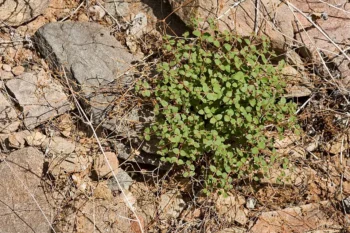
Arizona Sandmat: A Tough Little Native for Southwestern Gardens
If you’re looking for a low-maintenance, drought-tolerant groundcover that’s perfectly suited to the American Southwest, let me introduce you to Arizona sandmat (Chamaesyce arizonica). This unassuming little native might not win any beauty contests, but it’s got character—and more importantly, it’s incredibly well-adapted to challenging desert conditions.
Meet the Arizona Sandmat
Arizona sandmat is a perennial forb, which is just a fancy way of saying it’s a non-woody plant that comes back year after year. Don’t expect towering heights from this ground-hugger—it stays nice and low, forming a spreading mat that’s perfect for filling in those tricky spots where other plants struggle to survive.
You might also see this plant listed under its scientific name Chamaesyce arizonica, or encounter it in older references as Euphorbia arizonica or Euphorbia versicolor. But let’s stick with the friendly common name, shall we?
Where Does It Call Home?
This southwestern native has claimed its territory across Arizona, California, New Mexico, and Texas. It’s a true child of the desert, perfectly evolved to handle the intense sun, minimal rainfall, and challenging growing conditions that define this region.
- Species observed
- No observations
Why You Might Want Arizona Sandmat in Your Garden
Here’s where Arizona sandmat really shines (pun intended):
- Drought Champion: Once established, this plant laughs in the face of dry spells
- Native Credentials: It belongs here, supporting local ecosystems and wildlife
- Low Maintenance: Perfect for gardeners who want beauty without the fuss
- Groundcover Solution: Fills in bare spots and helps prevent soil erosion
- Pollinator Friendly: Small flowers attract beneficial insects and tiny pollinators
Perfect Garden Spots for Arizona Sandmat
Arizona sandmat fits beautifully into several garden styles:
- Desert and xeriscape gardens
- Rock gardens and between stepping stones
- Native plant landscapes
- Slope stabilization projects
- Areas where you need tough, reliable groundcover
Growing Conditions That Make It Happy
The secret to success with Arizona sandmat is thinking like the desert:
- Sun: Full sun is best—this plant loves to bask
- Soil: Well-draining sandy or rocky soil; heavy clay is its enemy
- Water: Minimal once established; overwatering is more dangerous than drought
- Climate: Thrives in USDA hardiness zones 8-10
Planting and Care Tips
Growing Arizona sandmat is refreshingly straightforward:
- Plant in fall or early spring for best establishment
- Ensure excellent drainage—amend heavy soils with sand or gravel if needed
- Water regularly during the first growing season to establish roots
- Once established, water only during extended dry periods
- No fertilization needed—this plant prefers lean conditions
- Minimal pruning required; just remove any dead material as needed
The Bottom Line
Arizona sandmat might not be the showiest plant in your garden, but it’s definitely one of the most reliable. If you’re gardening in the Southwest and need a tough, native groundcover that can handle whatever Mother Nature throws at it, this little survivor deserves a spot in your landscape. It’s proof that sometimes the most humble plants make the biggest difference in creating a sustainable, low-maintenance garden that works with—rather than against—your local environment.