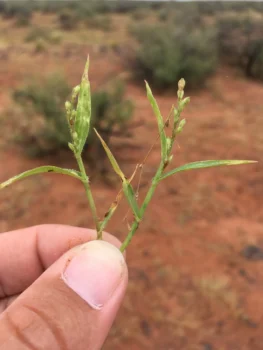
Arizona Signalgrass: A Humble Native Grass for Desert Gardens
If you’re looking to add authentic southwestern character to your landscape, Arizona signalgrass (Urochloa arizonica) might just be the unsung hero your garden needs. This modest native annual grass may not win any beauty contests, but it offers genuine ecological value and effortless charm for the right gardener.
What Is Arizona Signalgrass?
Arizona signalgrass is a native annual grass that belongs to the graminoid family—essentially, it’s one of those grass-like plants that form the backbone of natural ecosystems. Don’t let its humble appearance fool you; this little grass has been quietly doing important work in southwestern landscapes for centuries.
You might also encounter this plant listed under its former scientific names, Brachiaria arizonica or Panicum arizonicum, in older gardening references or seed catalogs.
Where Does It Grow Naturally?
As its name suggests, Arizona signalgrass calls the American Southwest home, but its range extends beyond Arizona’s borders. You’ll find this adaptable native growing naturally across seven states: Alabama, Arizona, California, Florida, Mississippi, New Mexico, and Texas. This wide distribution speaks to its resilience and adaptability.
- Species observed
- No observations
Should You Plant Arizona Signalgrass?
The answer depends on what you’re hoping to achieve in your garden. Here’s the honest truth about this native grass:
Reasons You Might Love It:
- It’s authentically native, supporting local ecosystems
- Requires virtually no water once established
- Perfect for naturalistic, low-maintenance landscapes
- Provides habitat structure for small wildlife
- Self-seeds reliably for next year’s display
- Excellent for erosion control on slopes
Reasons You Might Pass:
- Very subtle visual impact—it’s not a showstopper
- Annual growth means it dies back each year
- Can look weedy if you prefer manicured landscapes
- Limited availability in mainstream nurseries
Growing Arizona Signalgrass Successfully
The beauty of Arizona signalgrass lies in its simplicity. As a true desert native, it’s adapted to tough conditions and actually prefers to be left alone.
Ideal Growing Conditions:
- Sunlight: Full sun is essential
- Soil: Well-draining sandy or rocky soils preferred
- Water: Minimal once established—drought tolerance is its superpower
- Climate: Thrives in USDA hardiness zones 8-11
Planting and Care Tips:
Since Arizona signalgrass is an annual, you’ll typically grow it from seed. Scatter seeds in fall or early spring when temperatures are moderate. The key is not to overthink it—this grass wants to grow where conditions are right.
Water lightly during germination, then step back and let nature take over. Overwatering is more likely to harm than help this drought-adapted native.
Design Ideas and Garden Roles
Arizona signalgrass shines in specific landscape situations:
- Desert and xeriscape gardens: Provides authentic southwestern texture
- Restoration projects: Helps reestablish native plant communities
- Erosion control: Stabilizes soil with its root system
- Wildlife gardens: Creates habitat structure and potential food sources
- Low-water landscapes: Thrives where other grasses struggle
The Bottom Line
Arizona signalgrass won’t transform your garden into a horticultural showpiece, but it offers something more valuable: authentic native character with zero drama. If you’re creating a sustainable, low-water landscape that honors the natural heritage of the Southwest, this humble grass deserves consideration.
It’s particularly perfect for gardeners who appreciate the subtle beauty of native plant communities and want to support local ecosystems without the fuss of high-maintenance plants. Sometimes the best garden additions are the ones that simply belong.