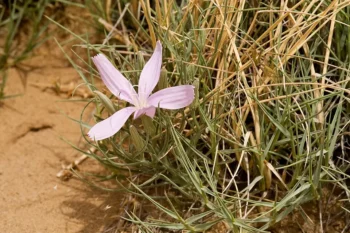
Arizona Skeletonplant: A Delicate Desert Beauty for Your Native Garden
Looking for a unique native wildflower that thrives in tough conditions? Meet Arizona skeletonplant (Lygodesmia arizonica), a charming perennial that brings delicate beauty to challenging garden spots. This southwestern native might look fragile with its slender stems and airy appearance, but don’t let its delicate looks fool you – it’s one tough cookie!
What Makes Arizona Skeletonplant Special
Arizona skeletonplant gets its common name from its distinctive growth habit. This perennial forb produces slender, nearly leafless stems that create an almost skeletal appearance – hence the name. But when those stems are topped with pretty pink to purple daisy-like flowers, the plant transforms into something truly magical.
As a native species to the lower 48 states, Arizona skeletonplant has earned its place in the natural landscape through centuries of adaptation. You’ll find this hardy perennial growing wild across Arizona, Colorado, New Mexico, and Utah, where it has learned to thrive in some pretty challenging conditions.
- Species observed
- No observations
Why You’ll Want This Plant in Your Garden
There are several compelling reasons to consider Arizona skeletonplant for your landscape:
- Drought tolerance: Once established, this plant requires minimal water – perfect for xeriscapes and water-wise gardens
- Pollinator magnet: The nectar-rich flowers attract butterflies, bees, and other beneficial pollinators
- Unique texture: The skeletal stems add interesting architectural elements to garden designs
- Low maintenance: Being a native plant, it requires minimal care once established
- Long blooming: Flowers appear throughout the growing season, providing consistent color
Perfect Garden Settings
Arizona skeletonplant shines brightest in naturalistic garden settings. It’s an excellent choice for:
- Desert and xeriscape gardens
- Native plant landscapes
- Wildflower meadows
- Rock gardens
- Pollinator gardens
The plant’s airy growth habit makes it perfect for weaving between other desert natives or adding texture to more structured plantings without overwhelming neighboring plants.
Growing Conditions and Care
Arizona skeletonplant is surprisingly easy to grow if you can provide the right conditions. Here’s what this desert native needs to thrive:
Sunlight: Full sun is essential. This plant has adapted to the intense southwestern sun and won’t perform well in shade.
Soil: Well-draining soil is absolutely critical. Sandy or rocky soils work best. Heavy clay or constantly moist soils will likely kill the plant.
Water: Once established, Arizona skeletonplant is extremely drought tolerant. Water sparingly and only during extended dry periods.
Hardiness: This tough perennial can handle USDA zones 4-8, showing impressive cold tolerance for a desert native.
Planting and Care Tips
Getting Arizona skeletonplant established is straightforward with these tips:
- Plant in spring: Give the plant a full growing season to establish before winter
- Improve drainage: If your soil holds water, amend with sand or gravel, or plant in raised beds
- Space appropriately: Allow room for the plant’s natural spreading habit
- Water initially: Provide regular water the first growing season, then taper off
- Avoid fertilizing: Native plants typically don’t need fertilizer and may actually be harmed by it
- Minimal pruning: Let the plant follow its natural growth pattern
A Word of Caution
While Arizona skeletonplant is a wonderful native choice, it’s worth noting that detailed information about its specific wildlife benefits beyond pollinator support isn’t widely documented. However, as a native species, it likely provides various ecosystem services in its natural habitat.
Is Arizona Skeletonplant Right for Your Garden?
Arizona skeletonplant is an excellent choice if you’re looking to create a water-wise, low-maintenance garden that supports native wildlife. It’s particularly well-suited for gardeners in the southwestern United States who want to embrace their region’s natural beauty.
However, this plant might not be the best choice if you prefer lush, green landscapes or live in areas with heavy clay soil and high humidity. Its delicate appearance also means it won’t provide the bold architectural presence that some gardeners seek.
For those ready to embrace the unique beauty of southwestern natives, Arizona skeletonplant offers an opportunity to grow something truly special – a plant that celebrates the resilient beauty of desert landscapes while supporting local pollinators and requiring minimal resources to thrive.