Arizona Whitefeather: A Rare Southwestern Beauty for Your Rock Garden
Meet Arizona whitefeather (Ivesia arizonica var. arizonica), a charming little perennial that’s as unique as its name suggests. This southwestern native might not be the showiest plant in the garden center, but for gardeners who appreciate rare, drought-tolerant beauties, it’s absolutely worth getting to know.
What Makes Arizona Whitefeather Special?
Arizona whitefeather is a true native of the American Southwest, calling Arizona, California, Nevada, and Utah home. This hardy perennial belongs to the rose family and forms attractive rosettes of silvery-gray, finely divided foliage that creates a feathery, almost fern-like appearance – hence the whitefeather name.
- Species observed
- No observations
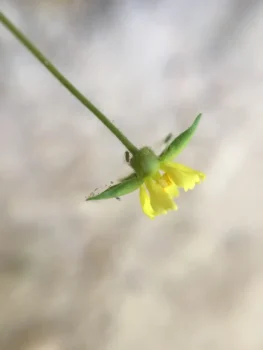
The real magic happens when this little beauty blooms, producing clusters of small, white flowers that seem to float above the silvery foliage like tiny stars. It’s a subtle beauty that rewards the observant gardener rather than shouting for attention from across the yard.
A Word About Rarity
Before we dive into growing tips, here’s something important: Arizona whitefeather has a Global Conservation Status of S3T3, meaning it’s considered uncommon to rare in its native range. If you’re interested in growing this plant, please make sure you source it responsibly from reputable native plant nurseries that propagate their own stock rather than wild-collecting. Never harvest plants from the wild – it’s both illegal in most places and harmful to already vulnerable populations.
Where Arizona Whitefeather Thrives
This little gem is perfectly suited for:
- Rock gardens and alpine gardens
- Xeriscape and drought-tolerant landscapes
- Native plant gardens focused on southwestern species
- Containers for specialized plant collections
Arizona whitefeather isn’t your typical border perennial – it’s more of a specialty plant for gardeners who love unique, low-maintenance natives with character.
Growing Conditions: Keep It High and Dry
Arizona whitefeather is adapted to high-elevation environments in its native range, so it has some specific needs:
- Sunlight: Full sun is essential
- Soil: Excellent drainage is absolutely critical – think rocky, sandy, or gravelly soils
- Water: Very low water needs once established; overwatering is the quickest way to lose this plant
- Hardiness: Cold hardy in USDA zones 4-8
The key to success with Arizona whitefeather is remembering where it comes from – think high desert conditions with plenty of sun, minimal water, and soil that drains like a sieve.
Planting and Care Tips
If you’re lucky enough to find Arizona whitefeather at a specialty native plant nursery, here’s how to give it the best start:
- Plant in spring after the last frost
- Amend heavy soils with coarse sand and gravel to improve drainage
- Consider raised beds or rock gardens if your soil doesn’t drain well naturally
- Water sparingly – once established, it should rarely need supplemental irrigation
- Avoid fertilizers, which can actually harm this adapted-to-poor-soils native
Wildlife and Pollinator Benefits
While Arizona whitefeather may be small, it punches above its weight when it comes to supporting local ecosystems. The delicate white flowers attract small native bees and other pollinators, making it a valuable addition to pollinator-friendly gardens. Its specialized nature means it provides resources that more common plants might not offer.
Is Arizona Whitefeather Right for Your Garden?
Arizona whitefeather isn’t for everyone, and that’s okay! Consider this plant if you:
- Love rare and unusual natives
- Have excellent drainage or are willing to create it
- Appreciate subtle beauty over bold displays
- Want to support conservation through responsible cultivation
- Enjoy the challenge of growing specialized plants
Skip Arizona whitefeather if you prefer low-maintenance plants for average garden conditions, want something with major visual impact, or don’t have the right growing conditions and aren’t willing to modify your site.
The Bottom Line
Arizona whitefeather is a plant for the thoughtful gardener – someone who values rarity, supports conservation, and enjoys the subtle beauty of southwestern natives. It’s not the easiest plant to grow or find, but for those who appreciate its quiet charm and are willing to meet its needs, it’s a rewarding addition to the right garden. Just remember to source it responsibly and give it the high-and-dry conditions it craves!