Arkansas Beardtongue: A Hidden Gem for Your Native Garden
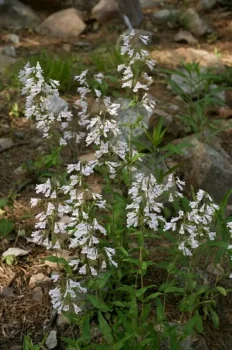
If you’re looking to add some understated elegance to your garden while supporting local wildlife, let me introduce you to Arkansas beardtongue (Penstemon arkansanus). This charming native perennial might not be the showiest flower in the garden center, but it’s exactly the kind of reliable, low-maintenance plant that makes gardeners smile year after year.
What Makes Arkansas Beardtongue Special?
Arkansas beardtongue is a true native son of the American heartland. This perennial herb calls the south-central United States home, naturally occurring across Arkansas, Illinois, Missouri, Oklahoma, and Texas. As a member of the snapdragon family, it shares that distinctive tubular flower shape that pollinators absolutely love.
- Species observed
- No observations
The plant produces delicate white to pale pink or lavender flowers that bloom from late spring into early summer. These tubular blossoms sit atop slender stems, creating an airy, naturalized look that works beautifully in wildflower gardens and prairie restorations.
Why Your Garden (and Local Wildlife) Will Love It
Here’s where Arkansas beardtongue really shines – it’s a pollinator magnet! Those tubular flowers are perfectly designed for:
- Native bees seeking nectar and pollen
- Butterflies looking for a reliable food source
- Hummingbirds attracted to the flower shape and color
As a native plant, it’s already adapted to local growing conditions and provides food sources that local wildlife have evolved alongside. Plus, you’ll be supporting your local ecosystem while creating a beautiful garden space.
Perfect Garden Situations
Arkansas beardtongue isn’t trying to be the star of your formal rose garden – and that’s perfectly fine! This plant excels in:
- Native plant gardens where it can mingle with other regional species
- Prairie-style landscapes for that authentic grassland feel
- Wildflower meadows where it adds subtle color and texture
- Naturalized areas where you want beauty without high maintenance
Growing Arkansas Beardtongue Successfully
The good news? This plant is refreshingly easy to please. Arkansas beardtongue thrives in USDA hardiness zones 5-8, making it suitable for much of the central United States.
Light requirements: Give it full sun to partial shade. It’s quite adaptable, though it tends to bloom best with at least 6 hours of direct sunlight.
Soil needs: Well-draining soil is key. This plant doesn’t appreciate wet feet, so avoid areas where water tends to collect. It’s quite drought-tolerant once established, making it perfect for xeriscaping or low-water gardens.
Planting tips: Spring is the ideal time to get Arkansas beardtongue established in your garden. Space plants about 12-18 inches apart to allow for good air circulation.
Care and Maintenance
This is where Arkansas beardtongue really wins over busy gardeners – it’s wonderfully low-maintenance!
- Watering: Water regularly during the first growing season to help establish roots, then back off. Mature plants are quite drought-tolerant.
- Fertilizing: Generally unnecessary. Native plants typically prefer lean soils and can actually become weak and floppy with too much fertilizer.
- Pruning: Deadhead spent flowers to extend the blooming period. Cut back the entire plant in late fall or early spring.
- Pest issues: Minimal problems with pests or diseases when grown in appropriate conditions.
Is Arkansas Beardtongue Right for Your Garden?
Consider adding Arkansas beardtongue to your garden if you:
- Want to support native pollinators and wildlife
- Prefer low-maintenance, drought-tolerant plants
- Enjoy naturalized or prairie-style landscaping
- Live within its native range and want to use regional plants
- Appreciate subtle, understated beauty over flashy showstoppers
While it might not have the bold presence of some garden favorites, Arkansas beardtongue offers something equally valuable – reliable beauty, ecological benefits, and the satisfaction of growing a plant that truly belongs in your local landscape. Sometimes the best garden additions are the ones that feel like they’ve always been there, quietly doing their job of supporting both beauty and biodiversity.